

Marketers are making bold statements about AI SEO every day.
The problem?
Most of them are half-right at best.
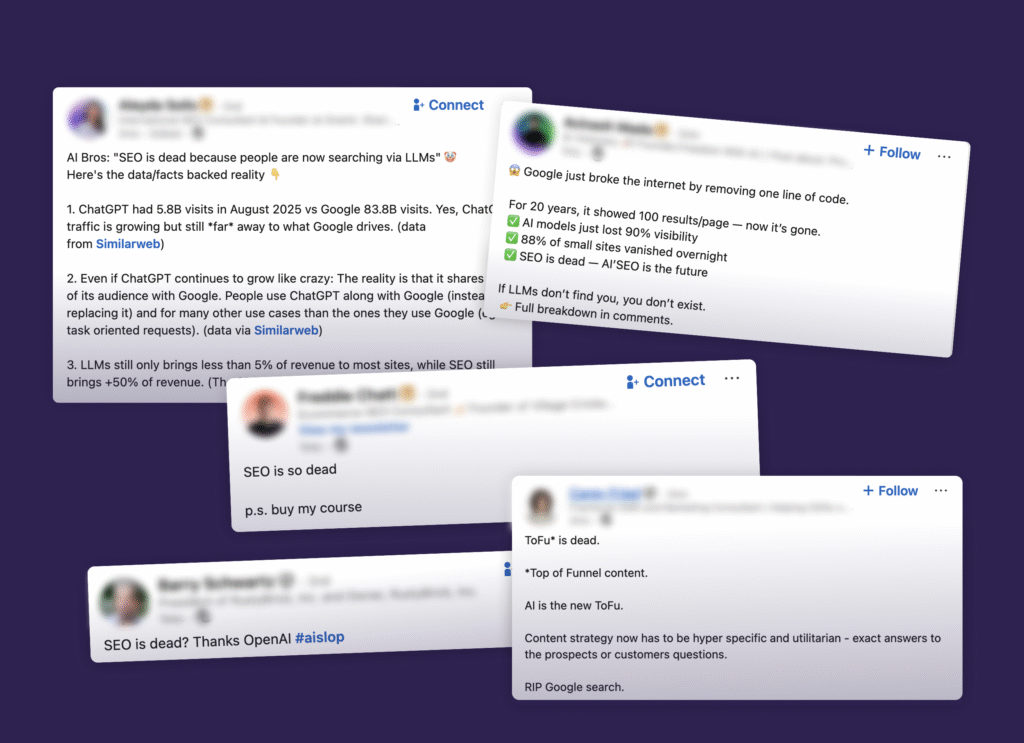
“SEO is dead.”
“Long-form content is pointless.”
“AI SEO is just good SEO.”
Here’s the truth:
When it comes to AI, the answer is rarely that simple.
Are you trying to show up in ChatGPT or Google’s AI Overviews?
Do you want the AI to recommend your brand or cite your content?
Is the model pulling from training data or live web results?
Each of those questions has a different approach.
Trying to generalize only causes confusion.
So, let’s skip the hype and get specific.
This guide tests today’s biggest AI myths in SEO to uncover what’s true, what’s false, what’s complicated, and what all of it really means for your marketing strategy.
1. True or False: SEO Is Dead
False.
It’s just harder than it used to be.
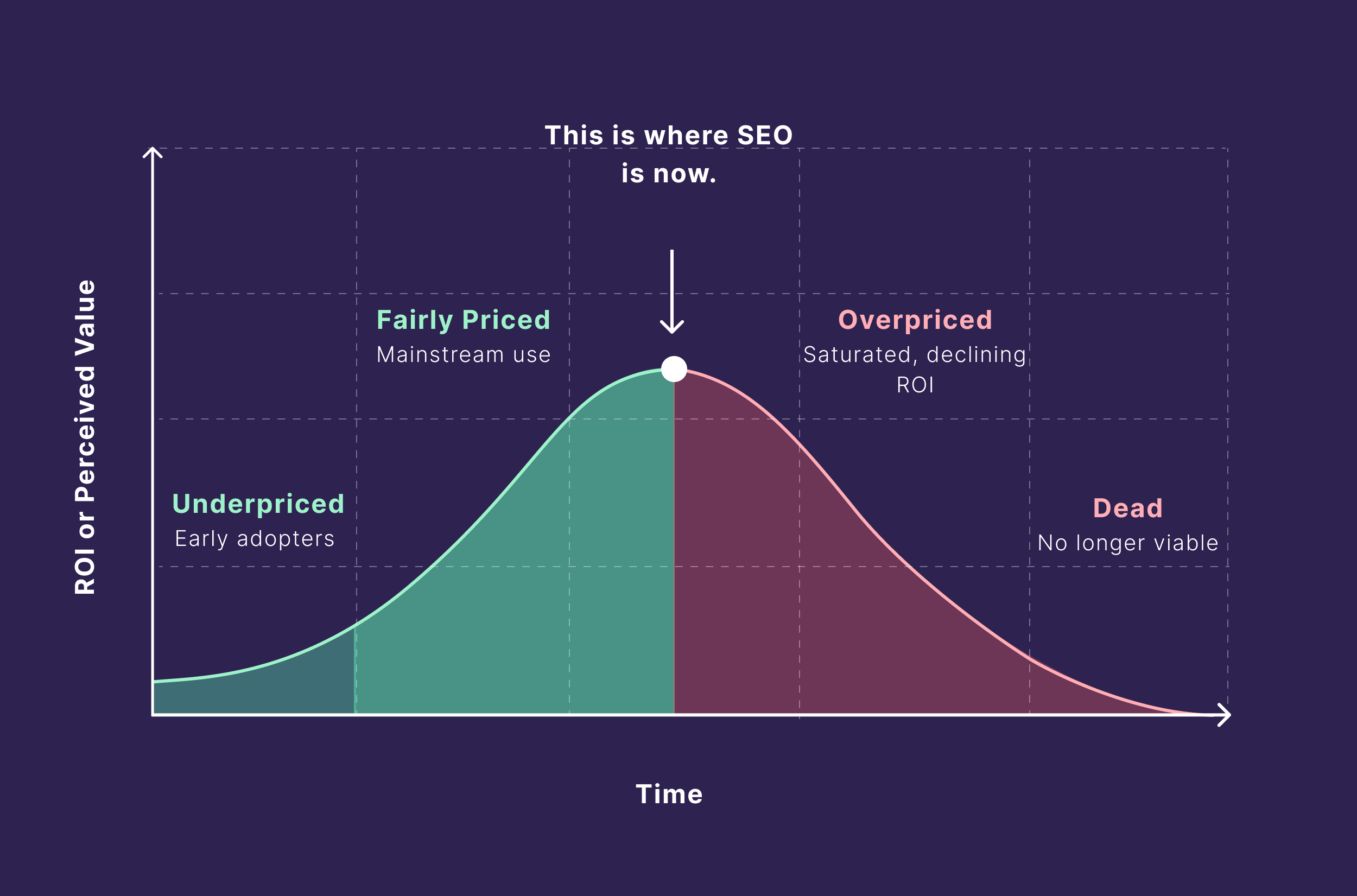
AI Overviews are stealing clicks.
Content volume has exploded.
And search behavior has fragmented.
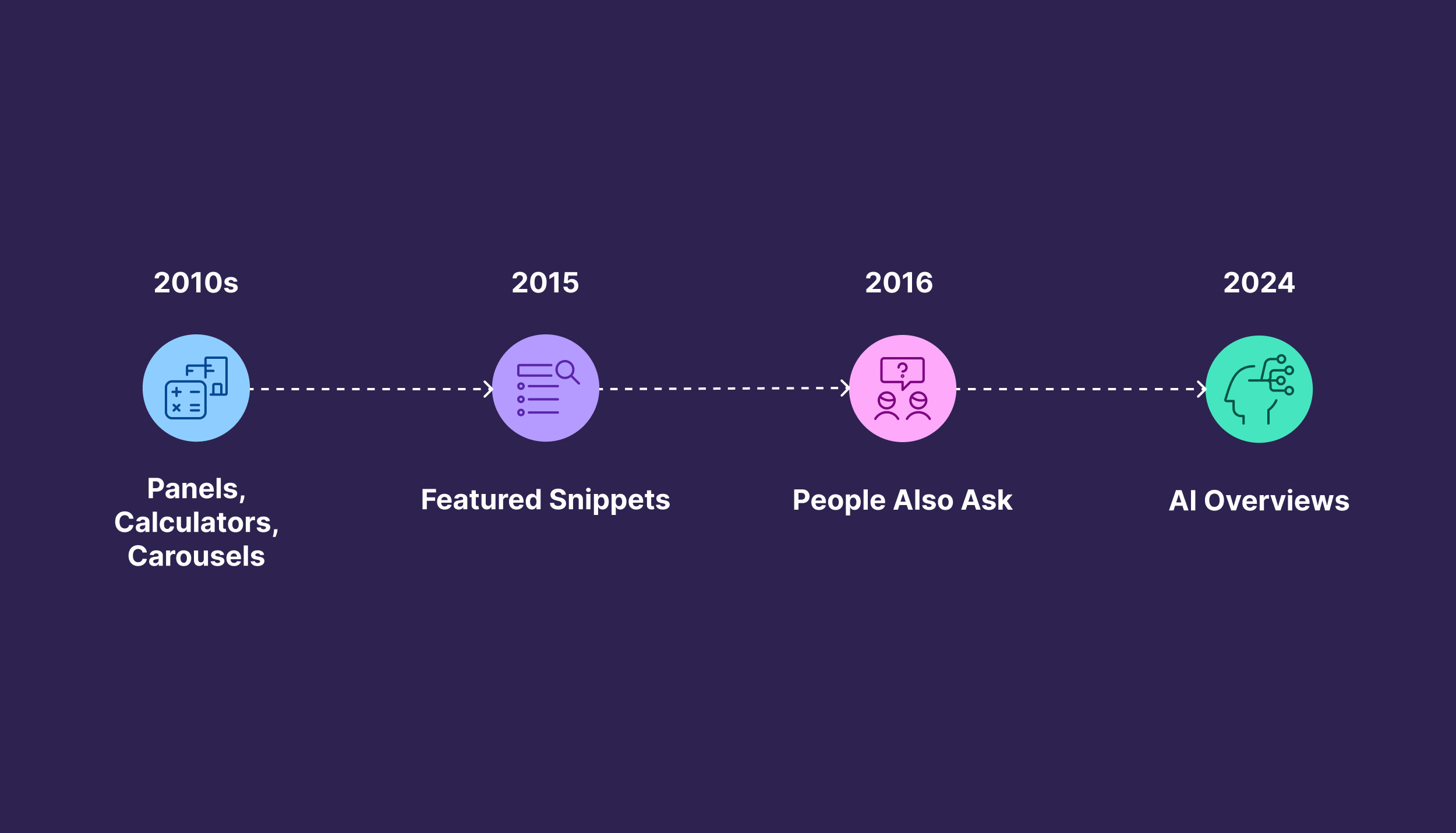
But that doesn’t mean SEO is dead.
What’s Actually Happening
The global SEO market is still growing at 16.7% a year.
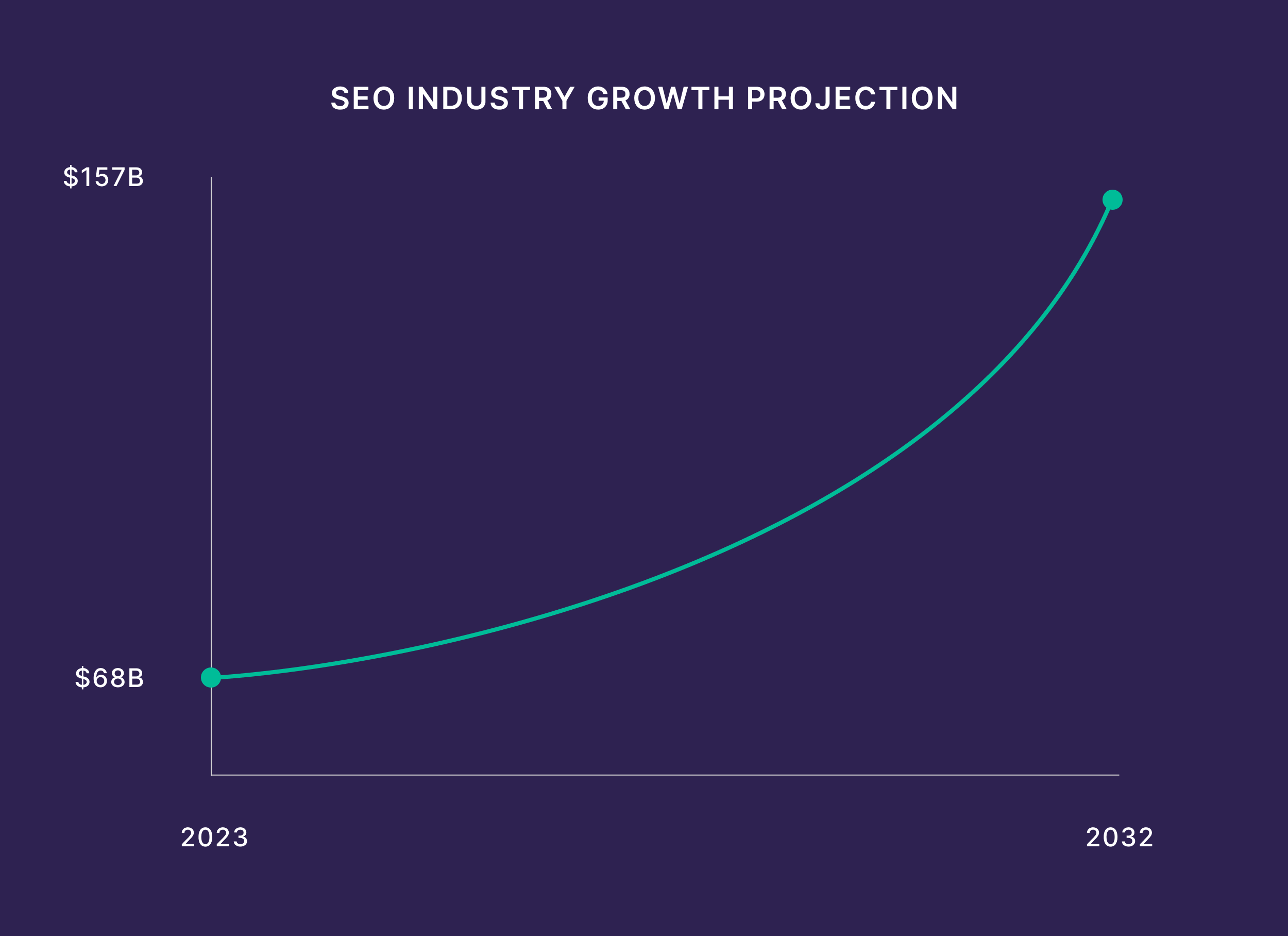
And Google Search itself continues to expand, according to Exploding Topics.
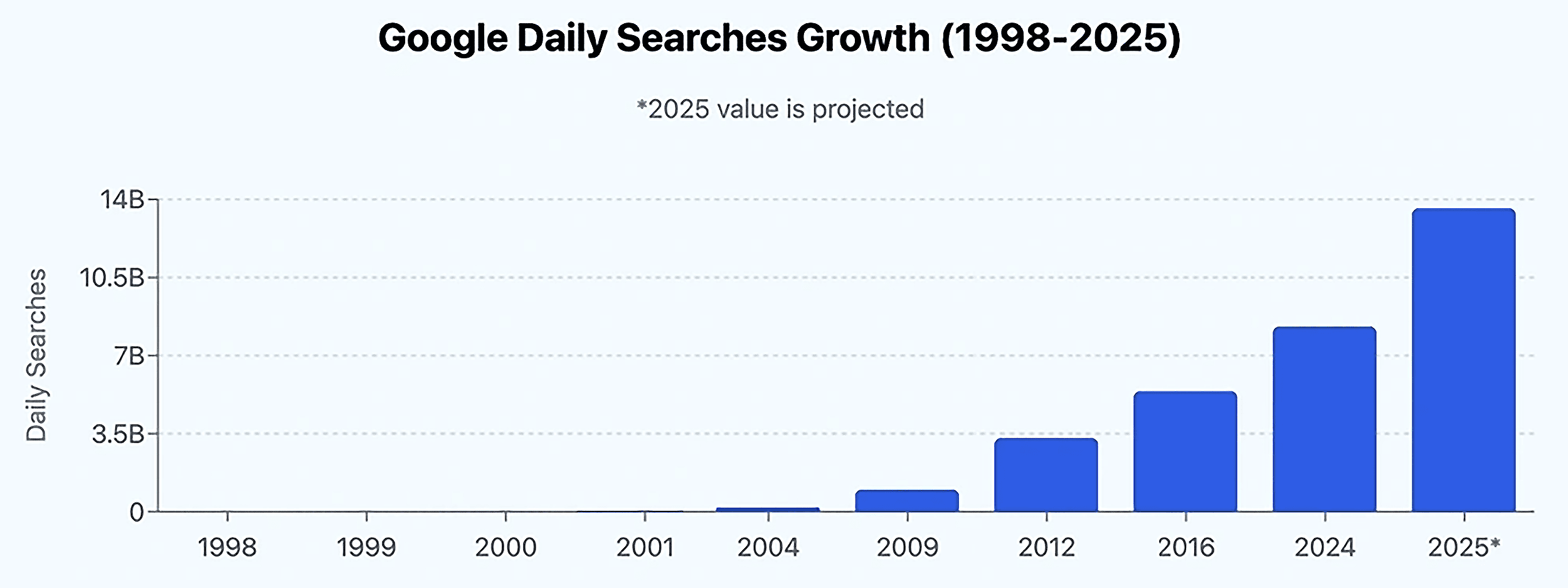
Also, so far it looks like AI tools are adding to search, not replacing it.
A Semrush study of 260 billion clicks found that Google usage stays steady — and even increases — after people start using ChatGPT.
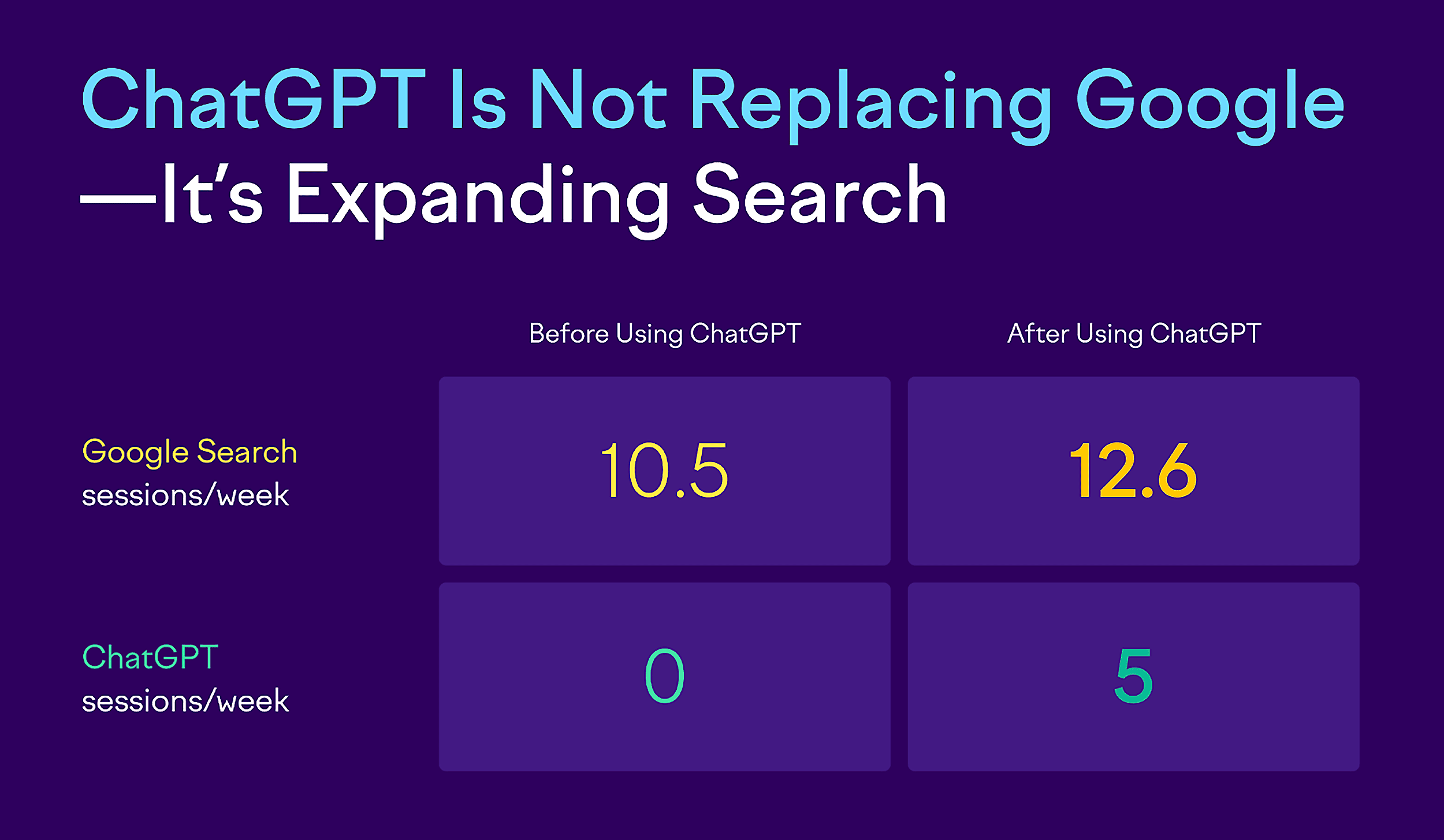
That pattern makes sense when you think about how people actually use AI tools.
If you ask ChatGPT for “the best email marketing tools,” you’ll get a solid starting list.
But people often still return to Google afterward to compare pricing, read reviews, or see what others are saying.
Here’s the catch:
Sticking with traditional SEO alone is not a safe bet.
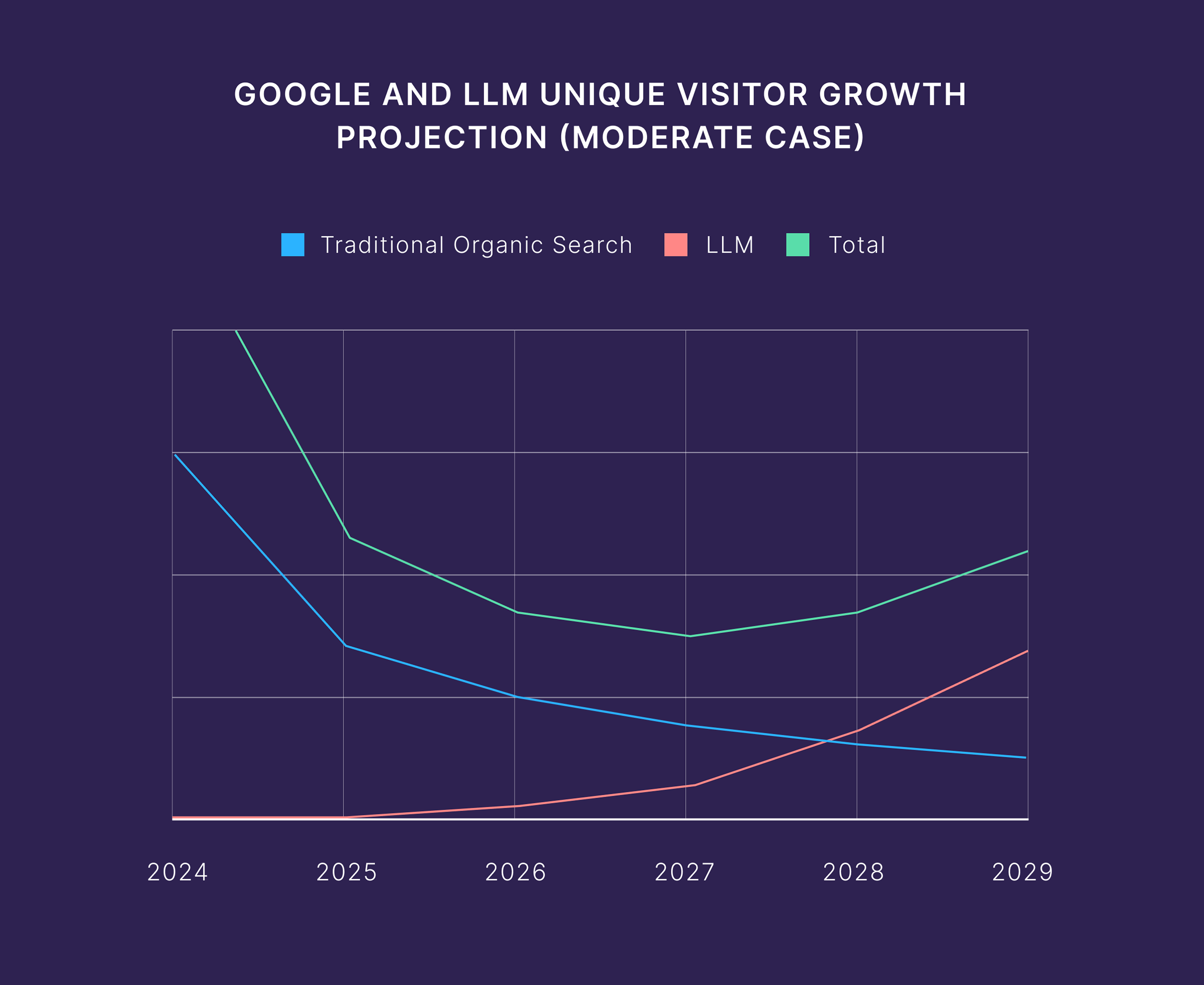
Semrush data predicts that, if current trends continue, AI search will overtake traditional search by 2028.
But even before AI went mainstream, people were searching beyond Google.
Back in 2022, Google data showed that about 40% of younger users preferred TikTok and Instagram for local searches.
Today, the search journey spans dozens of surfaces: Google, YouTube, TikTok, Reddit, Amazon, LinkedIn — and now, AI tools.
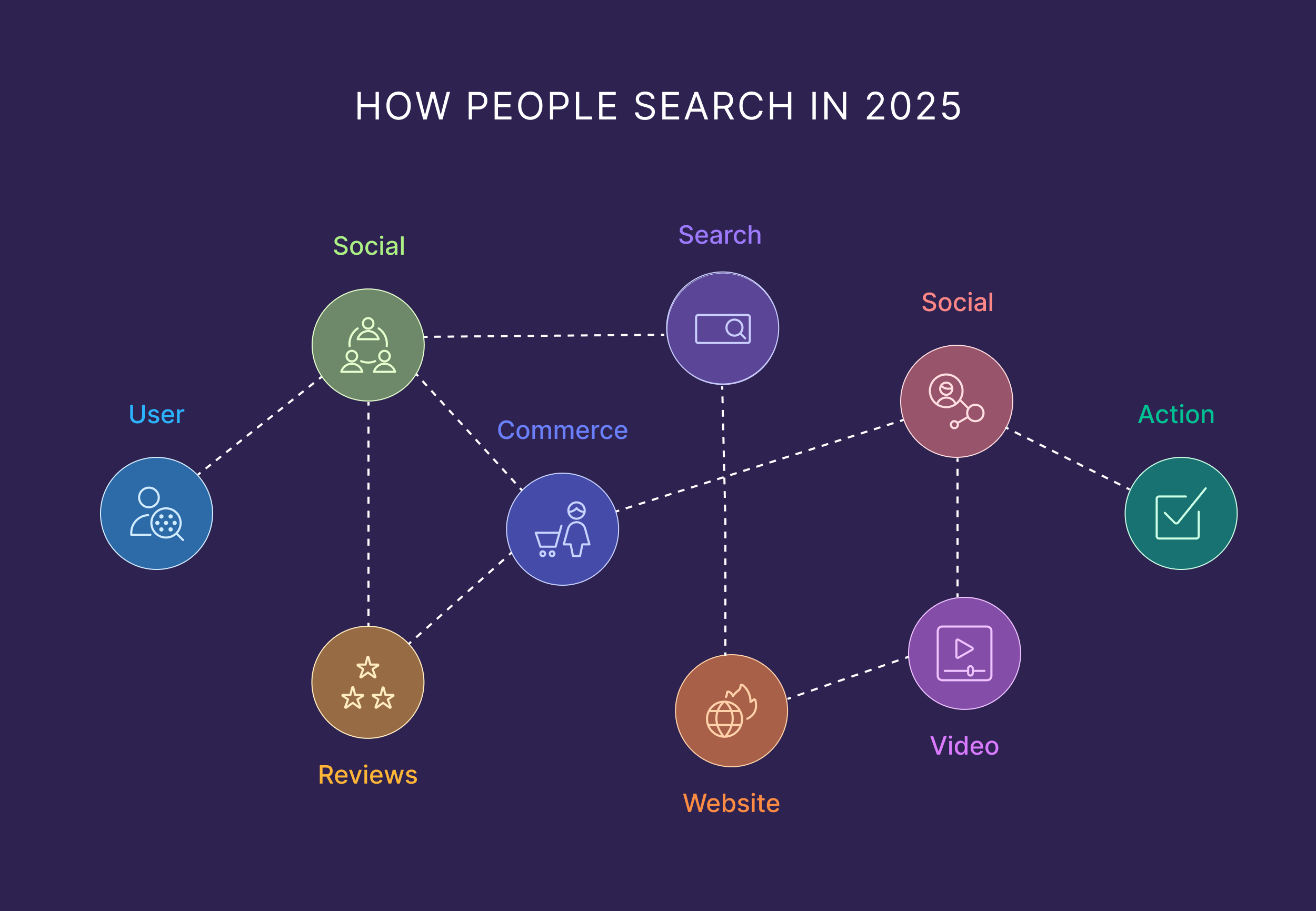
SEO still drives discovery. It’s just one piece of a bigger visibility puzzle.
The future isn’t search engine optimization.
It’s search everywhere optimization — showing up wherever your audience looks for answers.
Takeaway: SEO isn’t dead. It’s diversified. Win by thinking beyond Google.
2. True or False: AI SEO Is Just Good SEO
True. And also false.
The fundamentals of SEO still matter.
But “just doing good SEO” won’t get you visibility in AI answers. That’s another AI myth.
What’s Actually Happening
Traditional SEO factors (metadata, structured HTML, schema markup, freshness) still help AI systems find your pages.
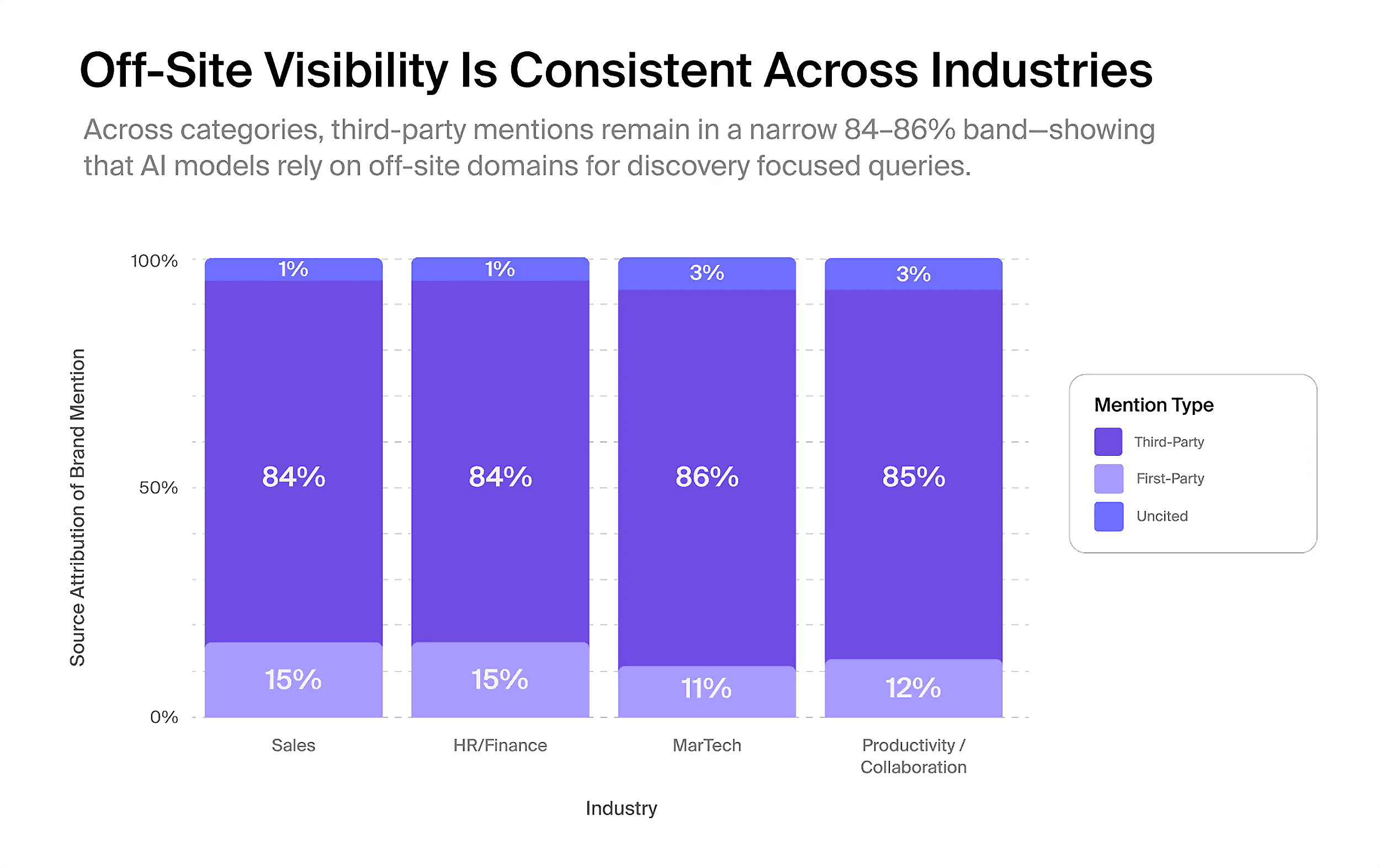
But AI answer engines trust what others say about you more than what’s on your own site.
AI analytics firm AirOps found that 85% of brand mentions in AI search come from third-party domains, not owned pages.
But that doesn’t mean on-site SEO no longer matters.
It’s the foundation of AI visibility.
AI engines are more likely to cite technically clean, current pages. They look for:
- Metadata (title tags, meta descriptions, canonical tags)
- Freshness signals (updated dates, last-modified tags)
- Semantic HTML (clean heading hierarchy, proper use of <p> and <section>)
- Schema markup
Side note: Google has confirmed that schema markup can help with AI visibility in its own products. It’s not a guarantee, but it’s smart technical hygiene. And it’s likely to become even more important as AI evolves.
That means your ranking foundation still matters, but it’s no longer enough.
AI visibility comes from combining:
- On-site clarity: Technically optimized, easy-to-parse content
- Off-site credibility: Brand associations built through mentions, citations, and expert recognition
Takeaway: SEO fundamentals get you indexed. Off-site authority gets you cited. AI SEO is about expanding what “optimization” means beyond your own site.
3. True or False: All AI SEO Works the Same
False.
Marketers talk about “showing up in AI answers” like it’s one game.
It’s not.
Google dominates the search landscape so much that traditional SEO is pretty unified — one platform, one algorithm, one analytics dashboard.
But there’s no single kind of AI visibility and no single playbook for earning it.
What’s Actually Happening
Every AI platform behaves slightly differently.
They draw from unique data pipelines, weigh off-site signals differently, and credit sources in their own ways.
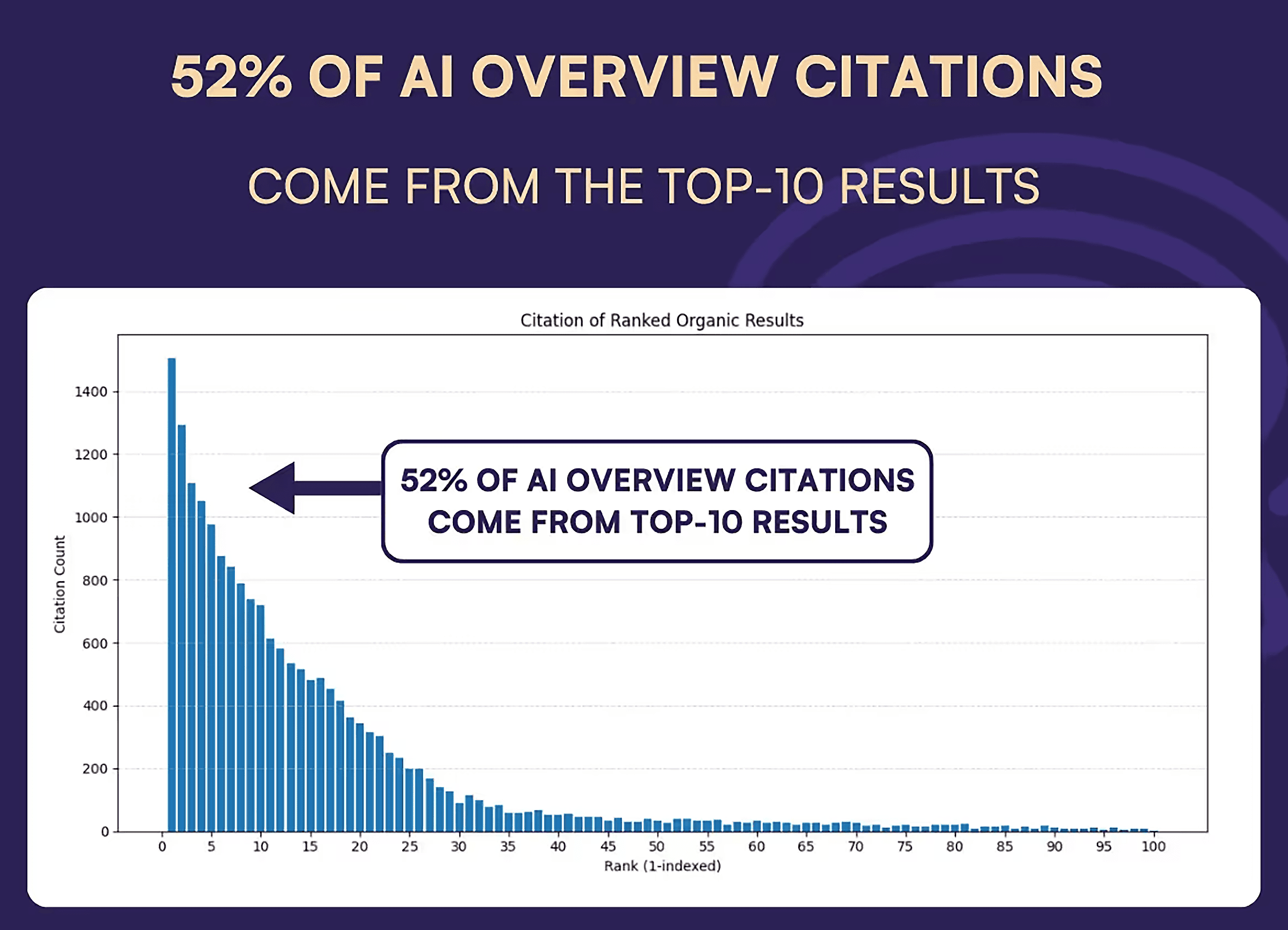
For example, Google’s AI tools still echo its ranking system.
Originality.AI found that many Google AI Overviews come from the top 10 ranking pages.
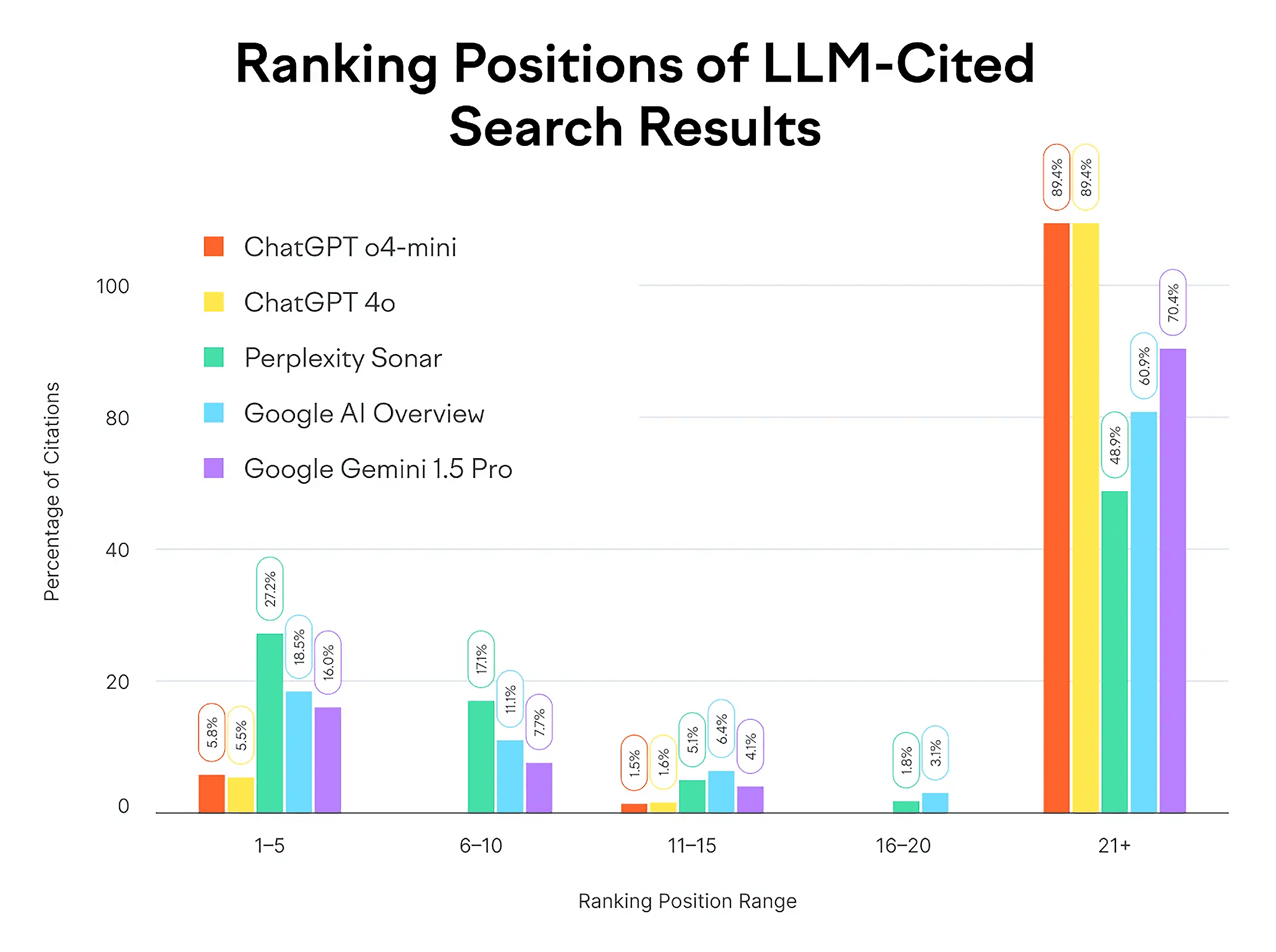
Other platforms look completely different.
Nearly 90% of ChatGPT citations come from pages ranked 21 or lower in Google.
But for brand mentions (answers that refer to your company), ranking seems to have more of an impact on ChatGPT.
Brands that rank on page one of Google show up more often in ChatGPT answers. Seer Interactive found a 0.65 correlation between high rankings and brand mentions.
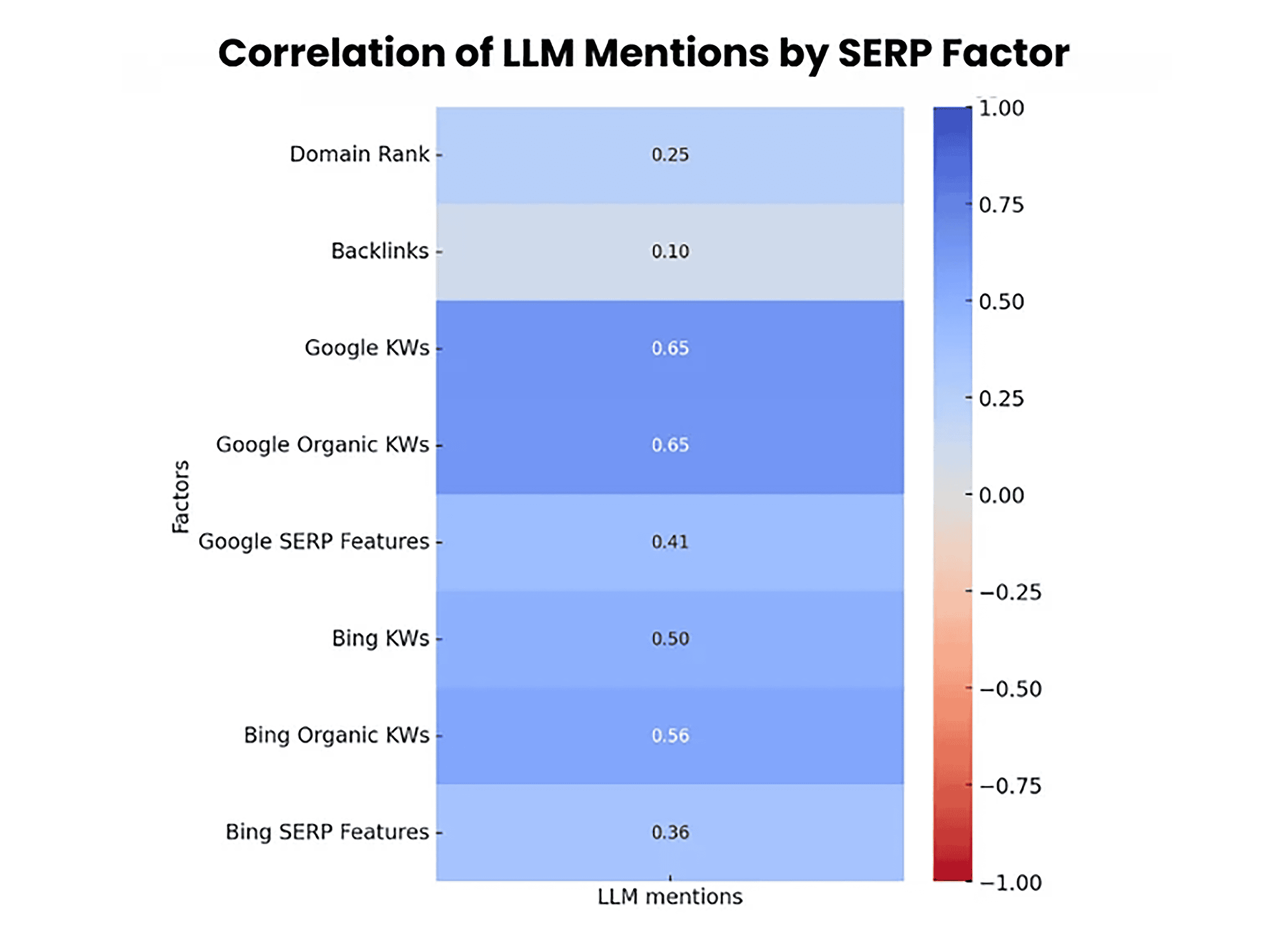
In other words, if HubSpot ranks on page one for “CRM software,” ChatGPT is more likely to name it when users ask for the best CRMs.
Takeaway: Each platform plays by slightly different rules. Treat AI SEO like an ecosystem, not a checklist.
4. True or False: If You’re Cited by AI, You’ll Also Get Mentioned
Mostly false.
Mentions and citations aren’t the same thing — and one doesn’t guarantee the other.
- Mentions = when your brand appears in the answer
- Citations = when your content is trusted as a source
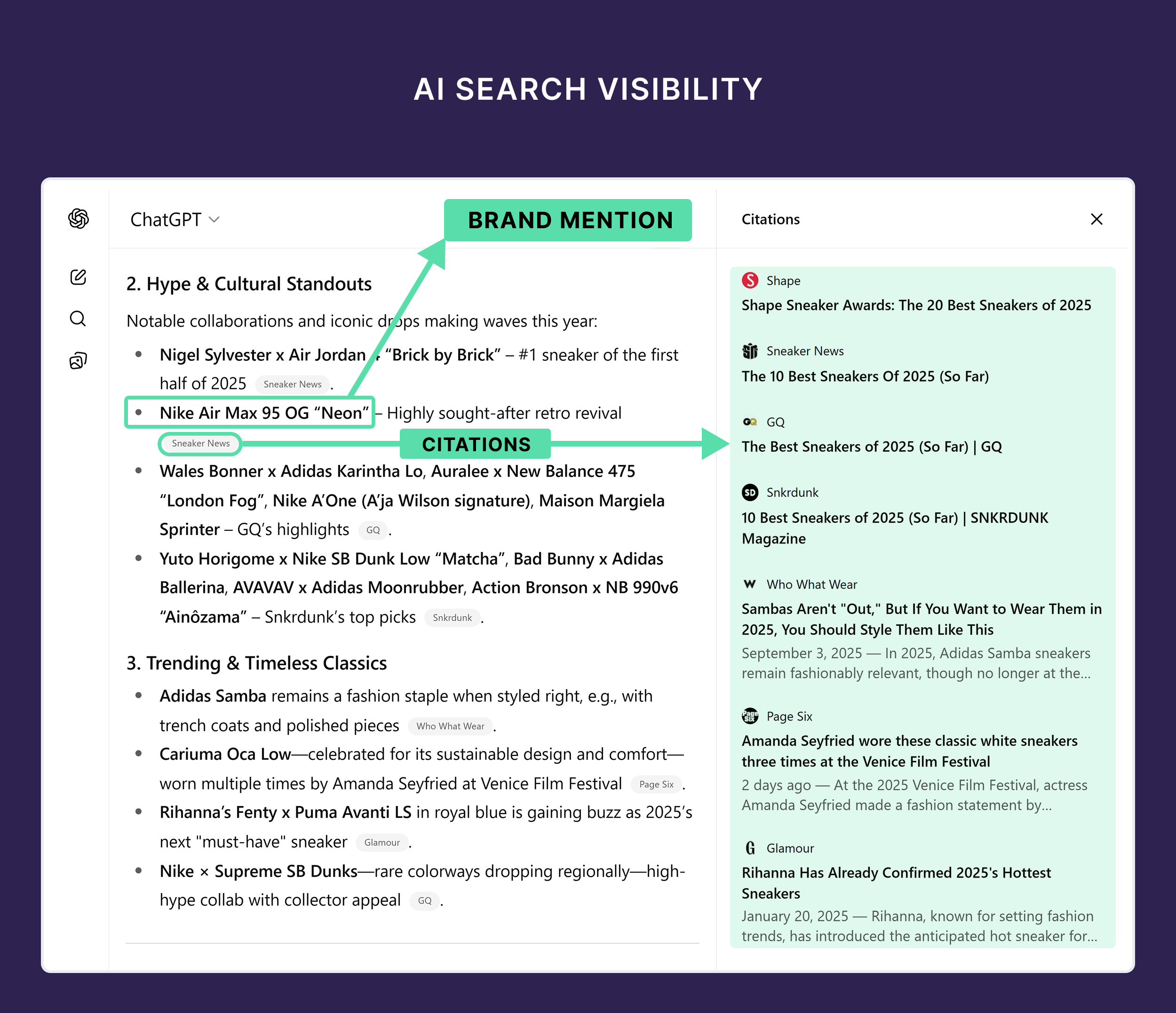
You need both to stay visible long term.
What’s Actually Happening
If you had to choose, being mentioned matters more in the short term.
When someone asks ChatGPT for “the best CRM for small businesses,” you want your brand to show up, even without a link.
But long-term visibility compounds when you’re both seen and trusted.
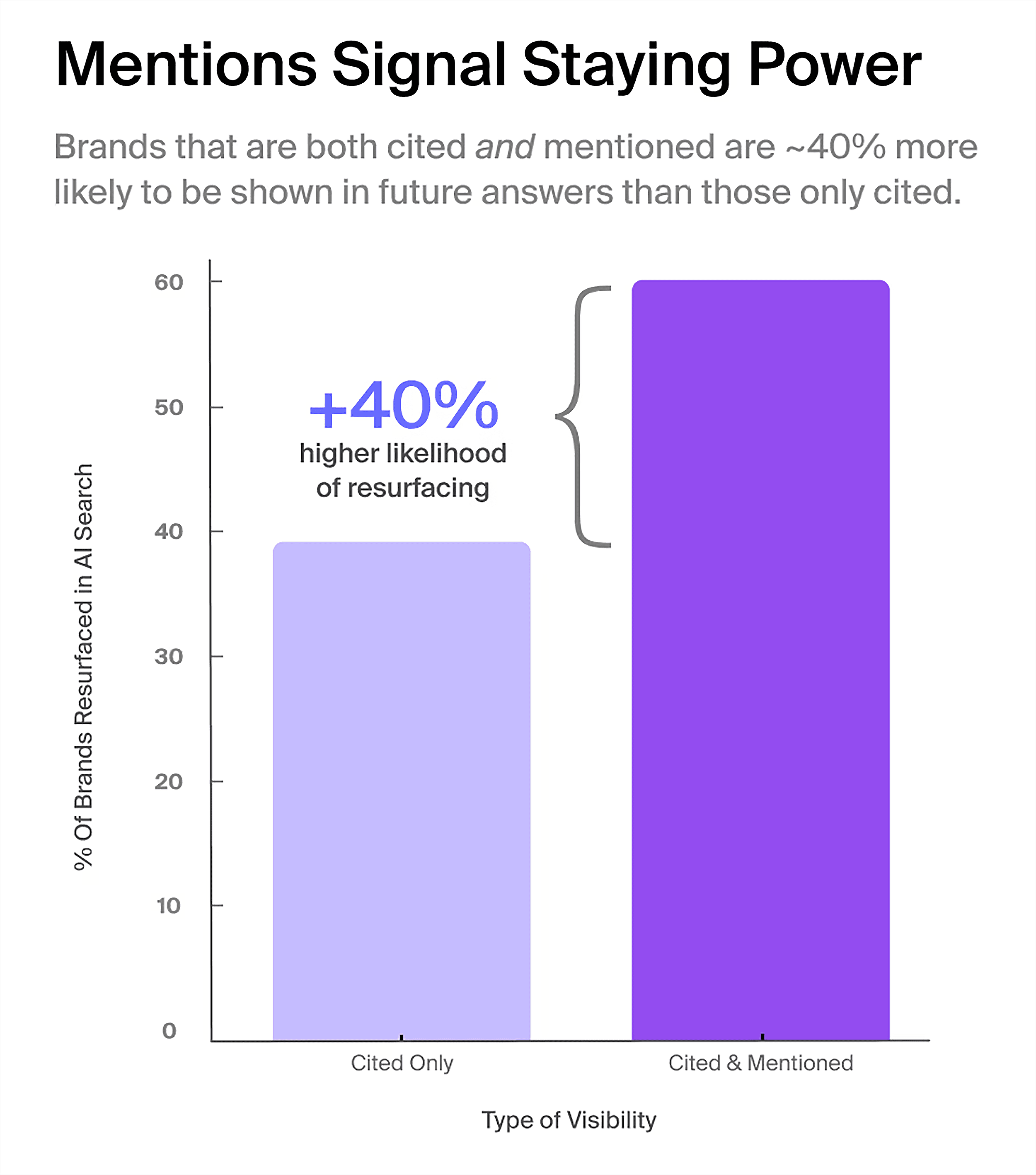
Brands that are both mentioned and cited appear 40% more often in repeat AI searches, AirOps found.
And that’s harder than you might think.
According to Semrush’s AI Visibility Index, fewer than 1 in 10 brands appear in AI answers as both mentioned and cited.
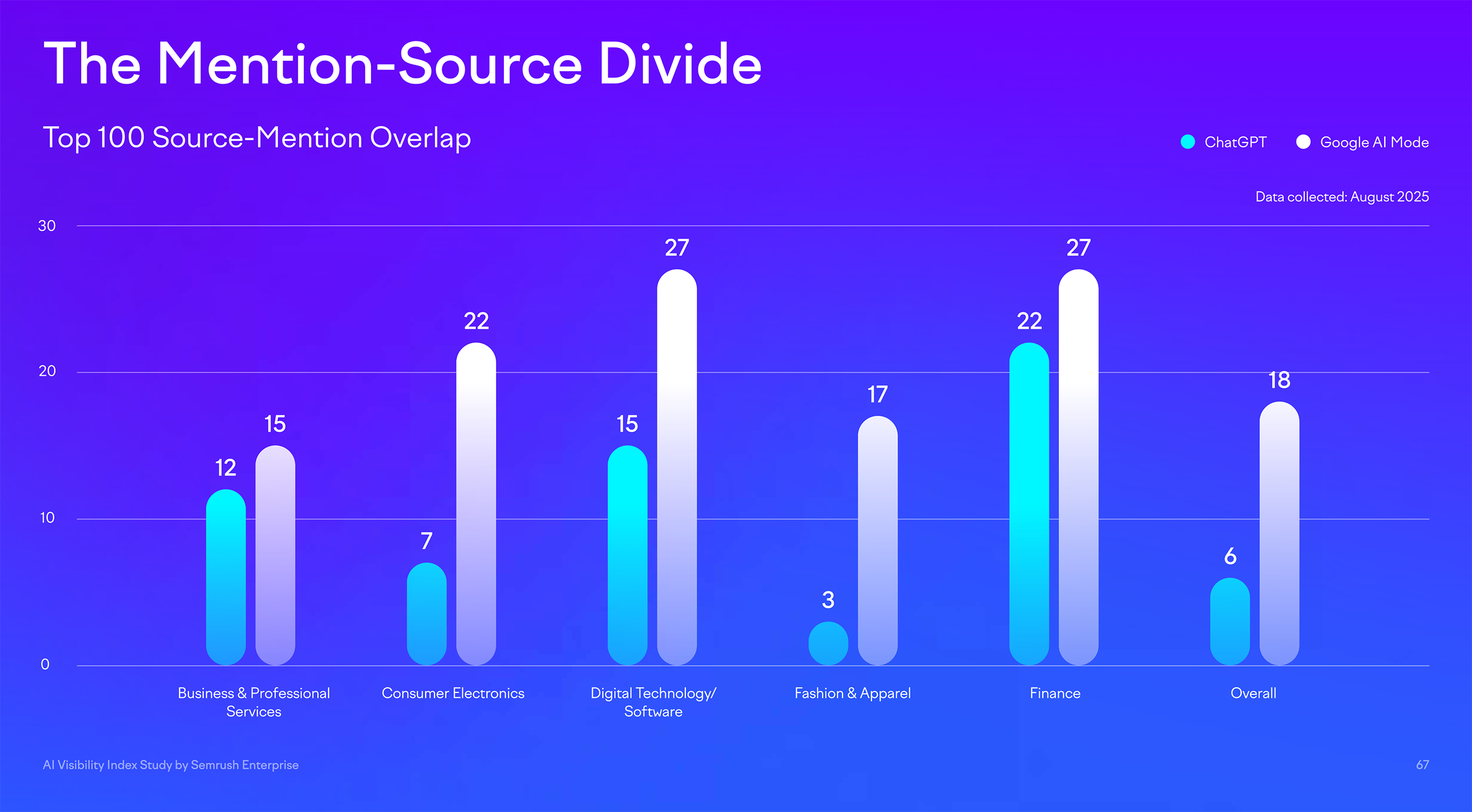
Most only get one: they’re either mentioned without a link or cited without being named.
For instance, if I look up “What’s the best HR software for small businesses?” I get the following response from ChatGPT:
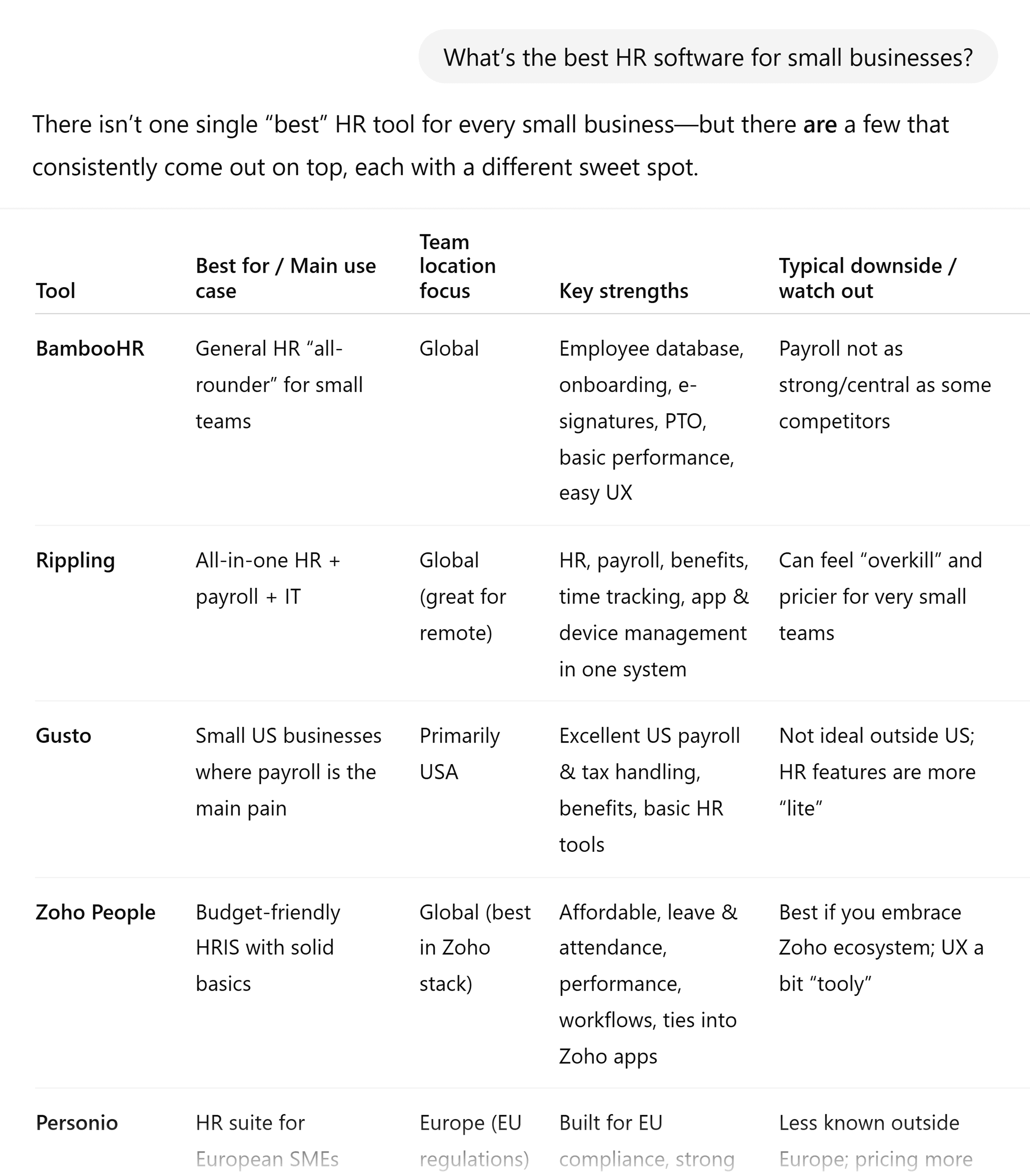
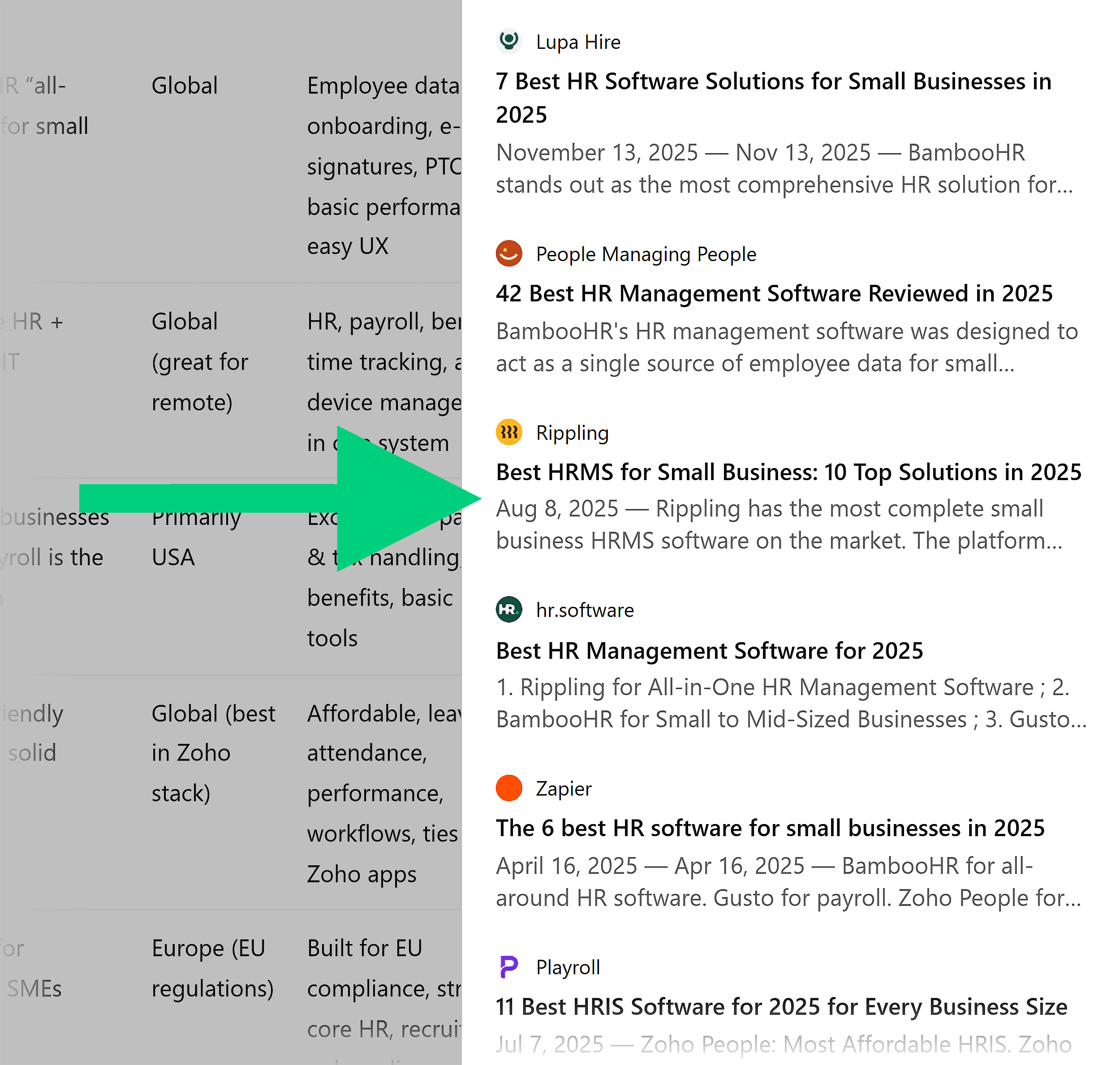
Of all the responses, only Rippling was mentioned as a good choice of software and cited as a source.
Getting mentioned and cited consistently means playing a longer, smarter game.
To win both, you need to shape the way AI systems talk about your brand.
Earn mentions through off-site authority — PR, reviews, credible partnerships — and citations through trustworthy, reference-worthy content.
Takeaway: Mentions get you visibility. Citations earn you trust. You need both to last.
5. True or False: AI Engines Don’t Care About E-E-A-T
It’s complicated.
AI engines tend to cite pages that look trustworthy: clear sourcing, visible citations, and credible domains.
In other words, they look for the same things as Google’s quality control agents: experience, expertise, authoritativeness, trustworthiness (E-E-A-T).
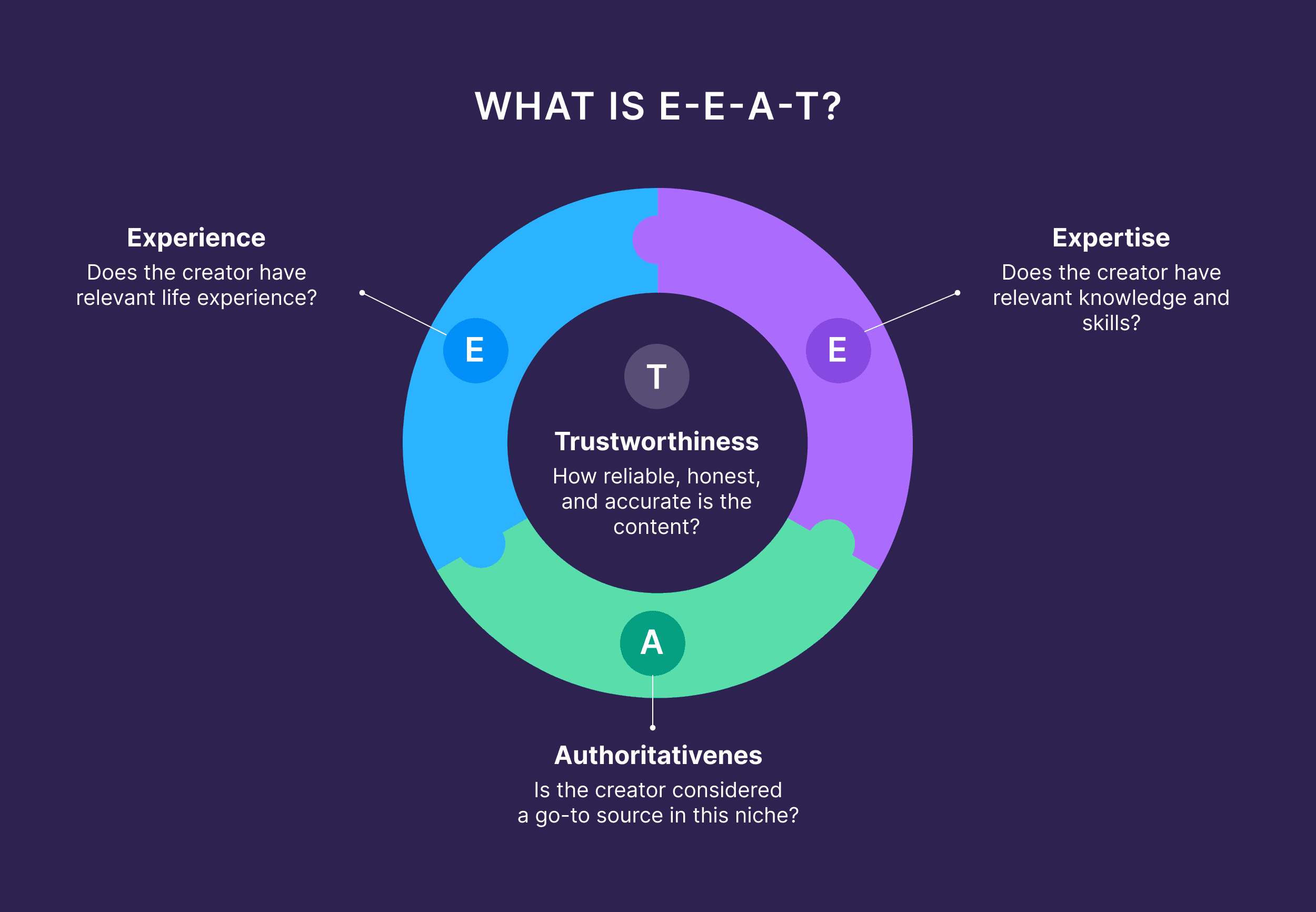
It’s possible to get short-term wins with content optimized for large language models (LLMs) that skip traditional E-E-A-T.
But in the long term, trust signals still matter.
What’s Actually Happening
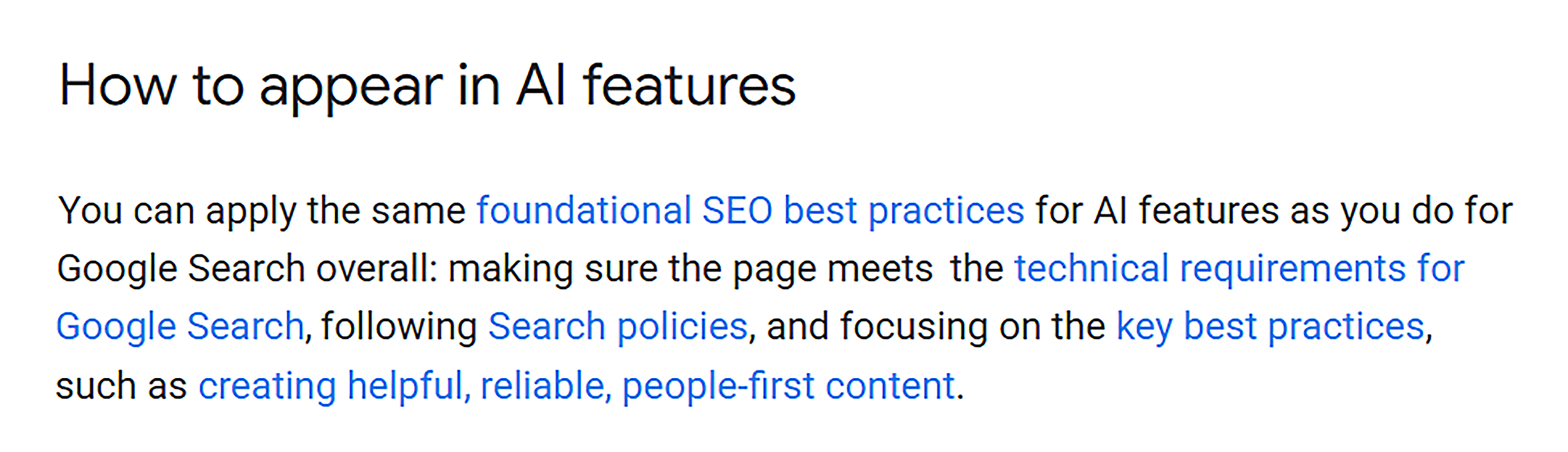
Google’s AI systems explicitly reference content quality and credibility when choosing what to cite.
Their guidance on “helpful, reliable, people-first content” directly ties to E-E-A-T.
That means E-E-A-T signals still influence what gets surfaced in AI Overviews.
Outside Google, the pattern holds.
Different models vary, but most lean toward higher-quality, more credible domains.
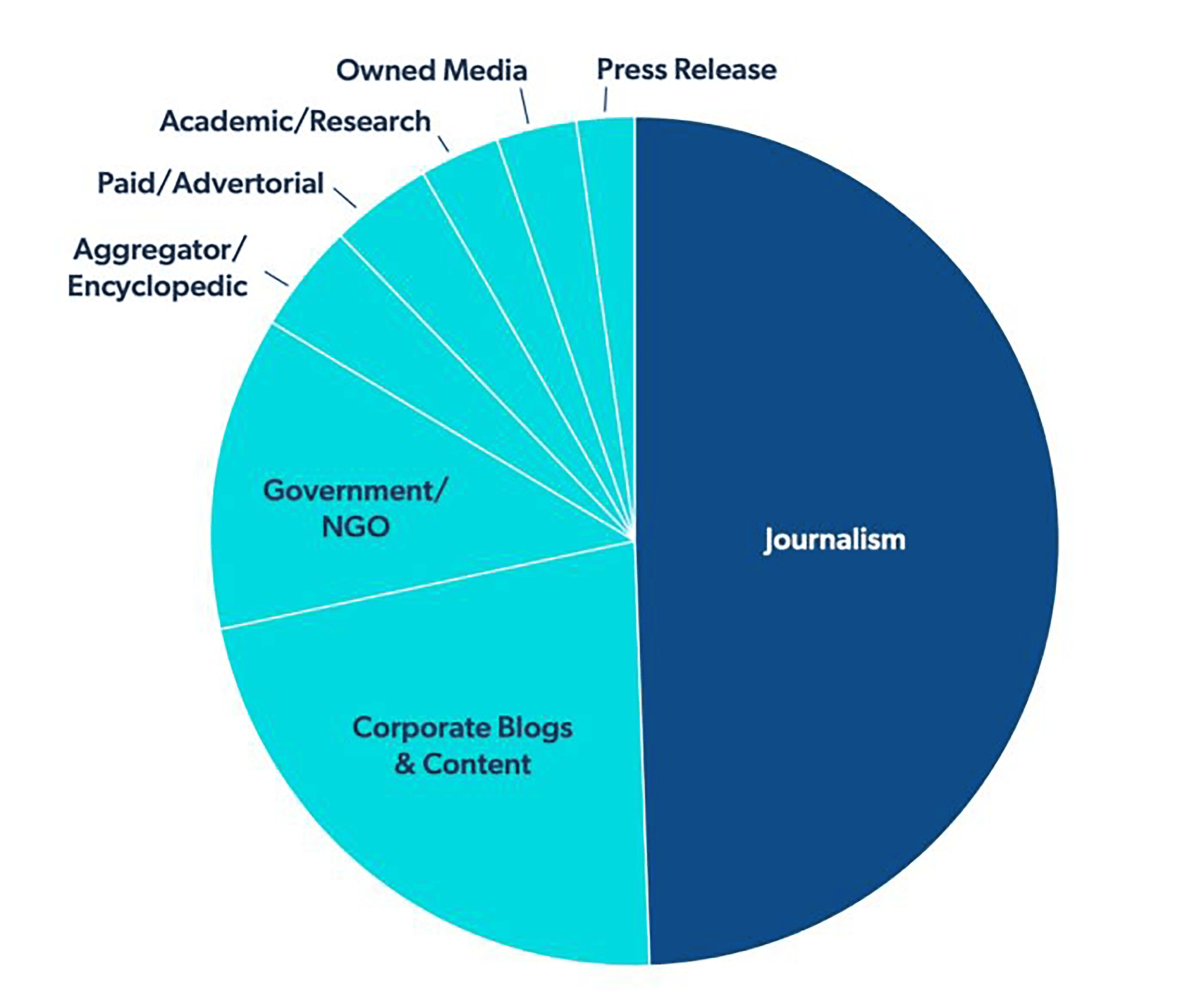
For example, a 2025 study by PR platform Muck Rack found that 49% of AI citations came from trusted news outlets.
It’s not a formal E-E-A-T score, but it points in the same direction: engines reward credibility.
There are exceptions, though.
This may be because of the query fan-out process.
When AI engines use query fan-out, they break one question into many.
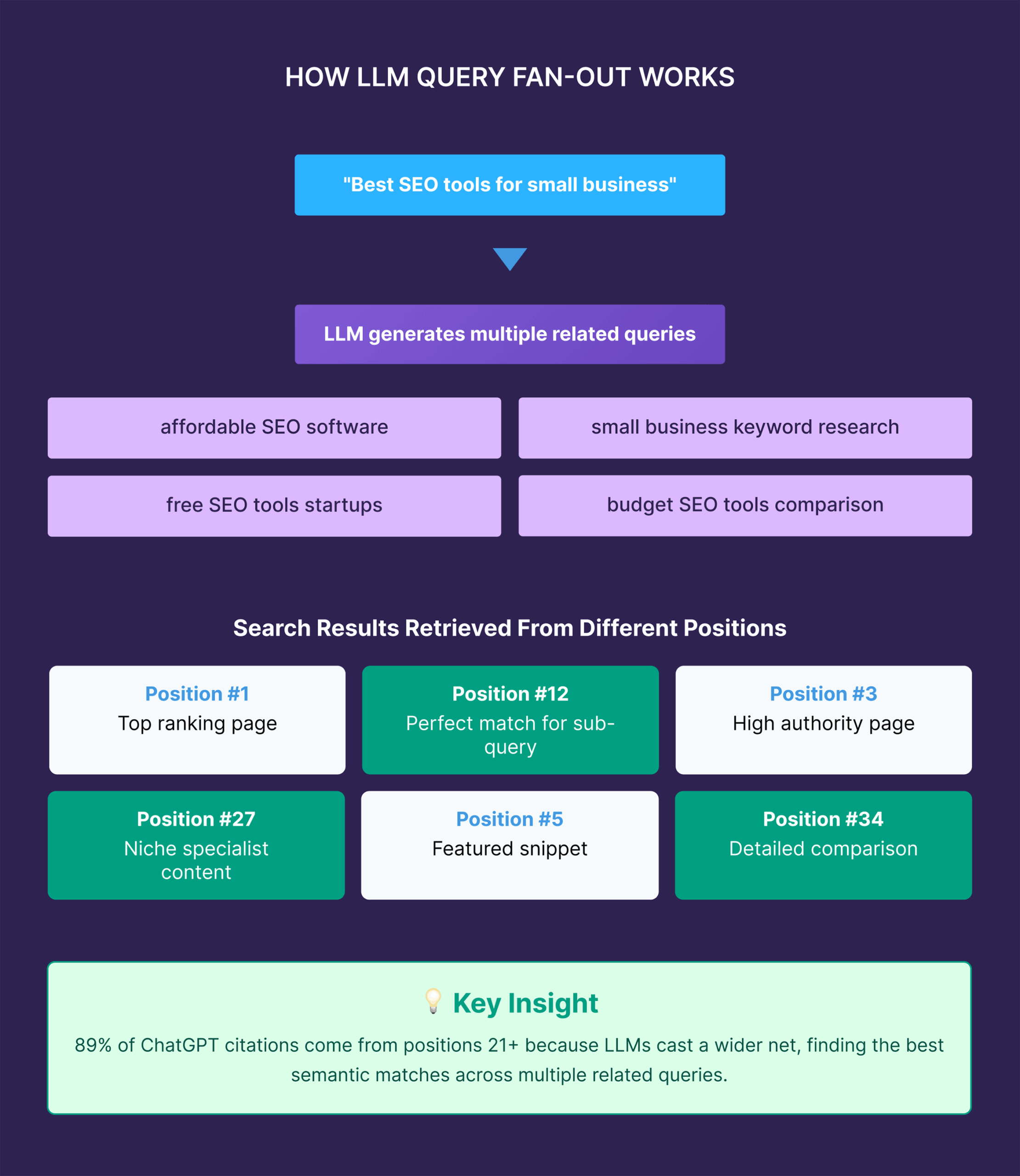
If a short page or definition answers a single sub-question directly, it might get pulled into that specific part of an AI answer.
Still, those are situational wins, not a replacement for authority.
And there’s more nuance here:
The Muck Rack study found that when questions got subjective — like asking for advice or step-by-step guidance — AI models pulled more from corporate blogs than authoritative news sources.
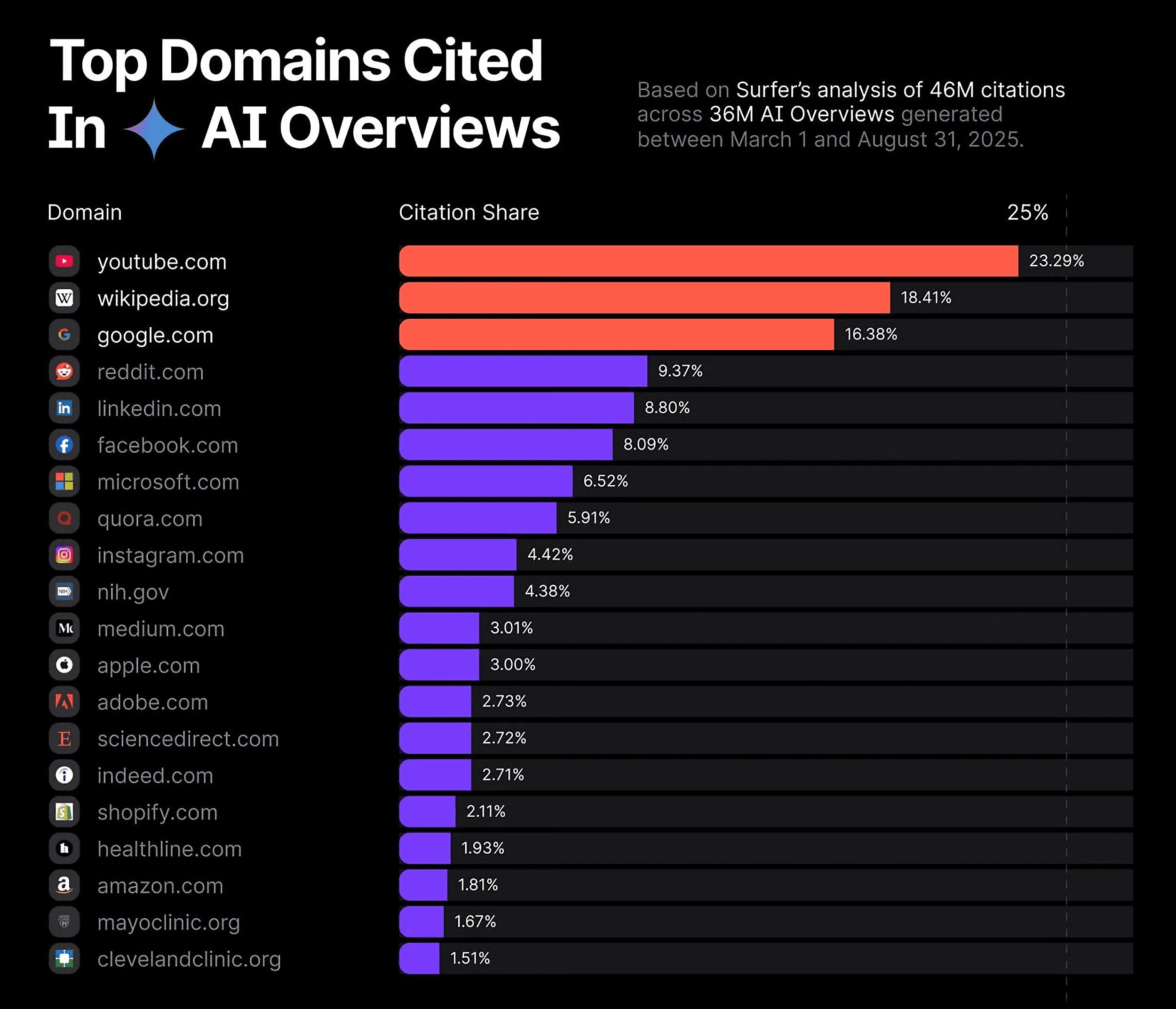
And SurferSEO also found that AI overviews often cite community sources like YouTube, Reddit, and Quora.
But, whether the LLMs are looking at official news sites, corporate blogs, or community sources, they consistently preferred credible content.
Credibility takes different forms. But AI systems pull from sources people trust most, whether institutional or experiential.
Clarity and organization make you easier to cite, but credibility will keep you there.
Plus, E-E-A-T keeps your content people-friendly as well as AI-friendly.
Takeaway: E-E-A-T still matters. It just needs to be paired with structured, clearly scoped content that AI systems can read and reuse.
6. True or False: Content Recency Matters Even More for AI Visibility
Mostly true.
Keeping content up to date has always been best-practice SEO.
And it’s also important for AI visibility on most of the public platforms.
But the relationship between freshness and visibility isn’t one-size-fits-all.
What’s Actually Happening
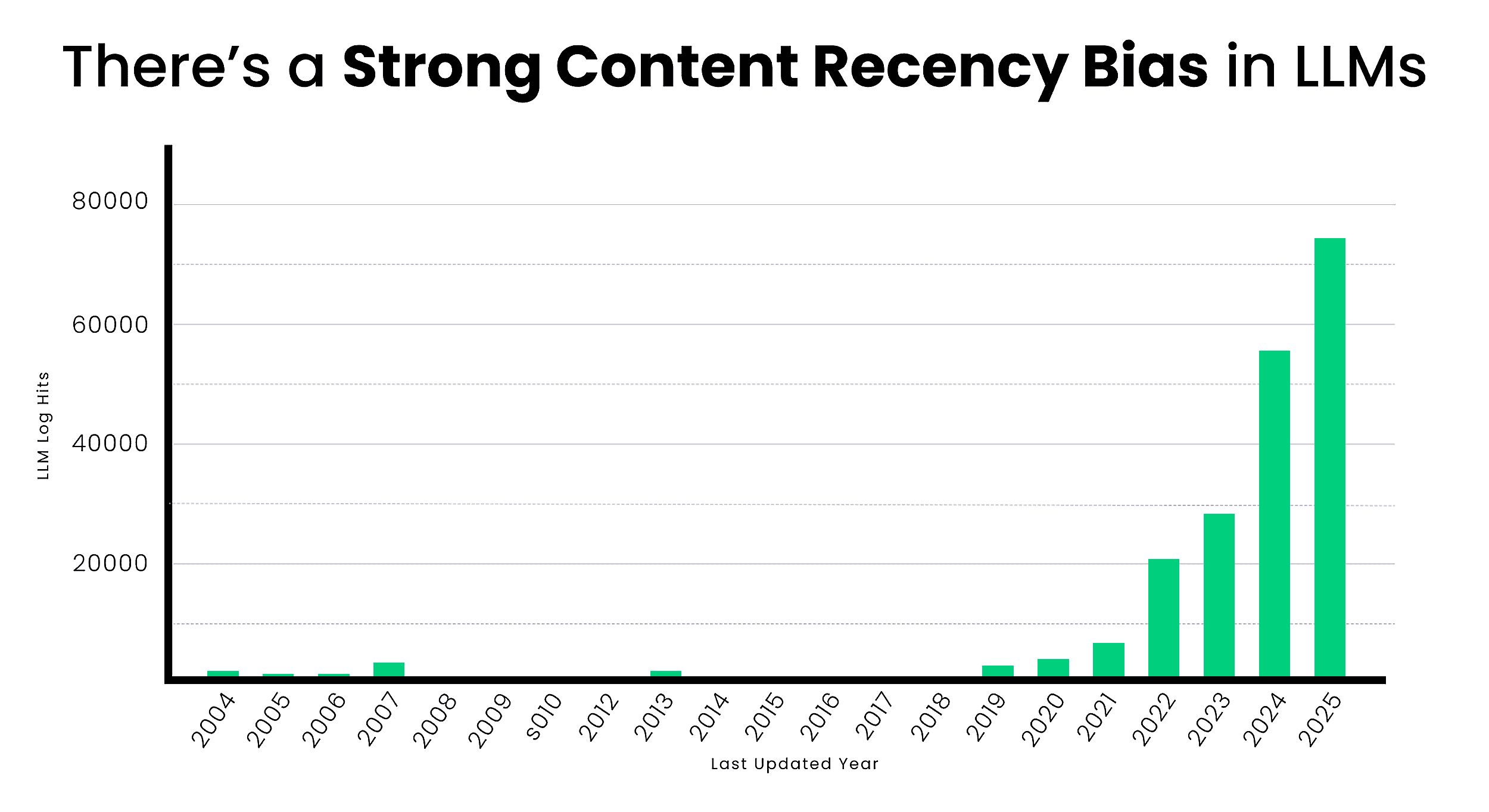
Seer Interactive found that nearly 65% of AI bot visits go to content published in the last 12 months.
I checked this out for myself using ChatGPT. I asked the query:
How do I create an AI-optimized content strategy?
Then, I asked:
Can you show me the sources you used for that answer?
And it returned:
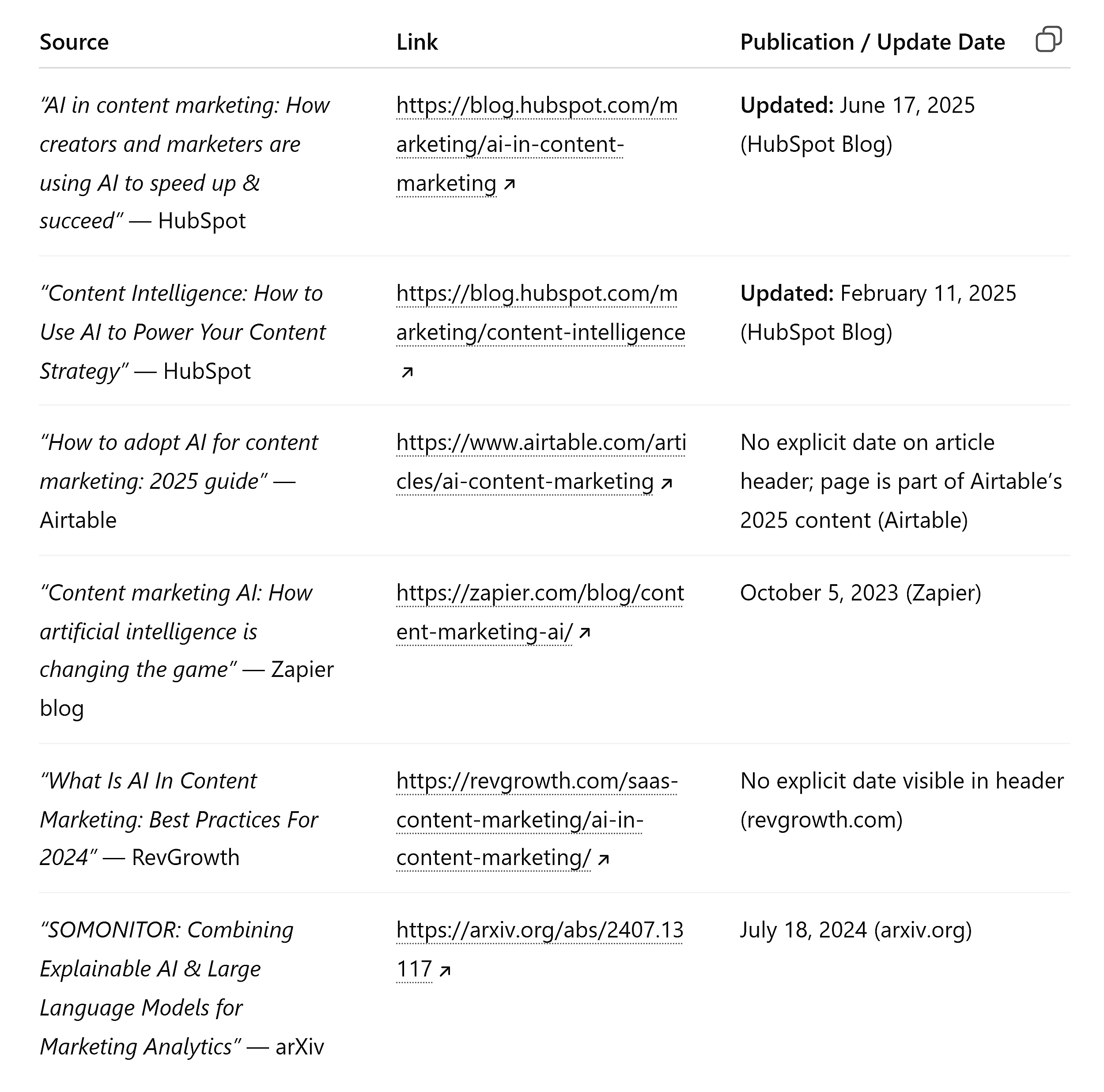
The earliest resource was from 2023.
(It didn’t find a date for the Airtable and RevvGrowth articles because they weren’t “visible in the header.”)
Finally, I asked why it chose those sources to answer the question.
It returned:
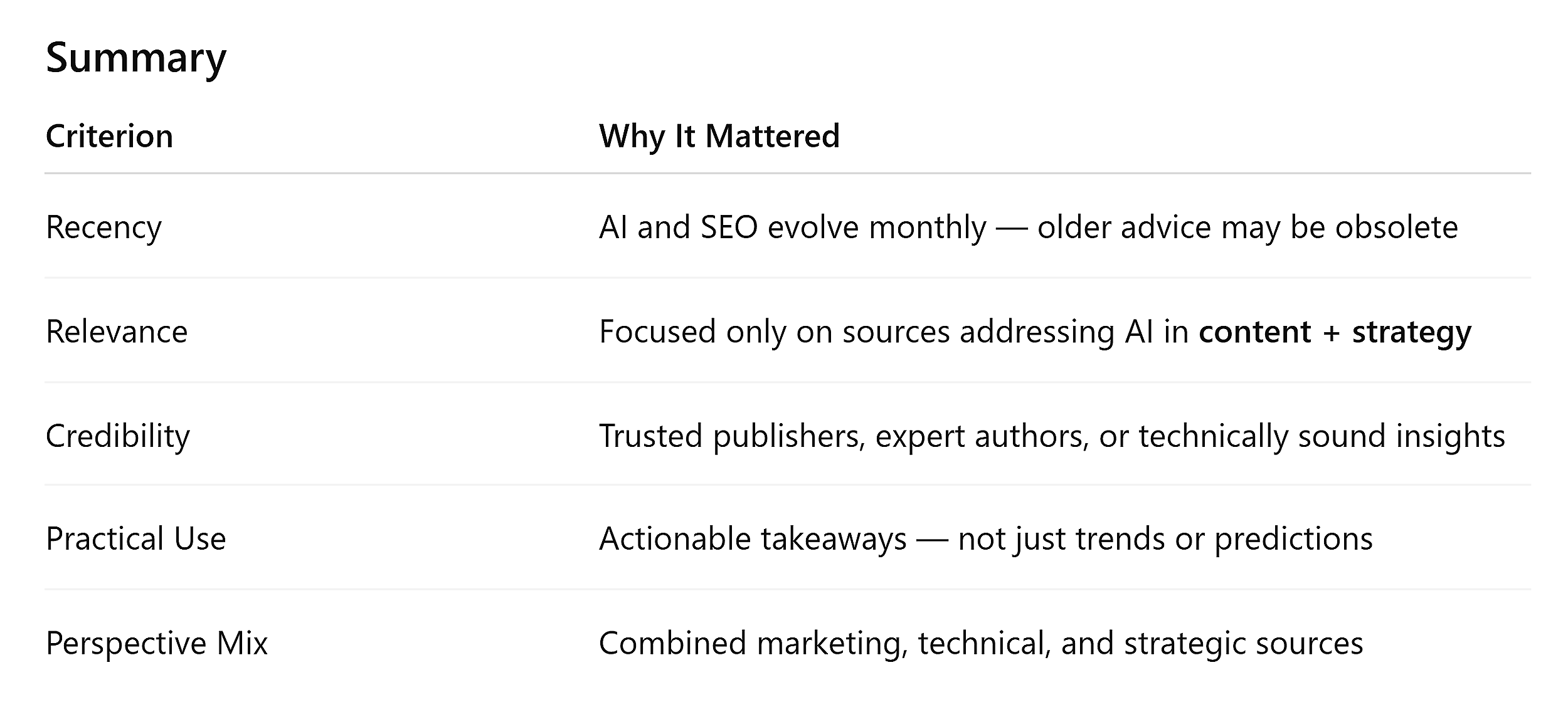
Note: It listed recency as its top criteria.
But there’s some variation in how important recency is.
Seer Interactive found that freshness matters most in fields like finance, HR, and tax, where outdated data loses credibility fast.
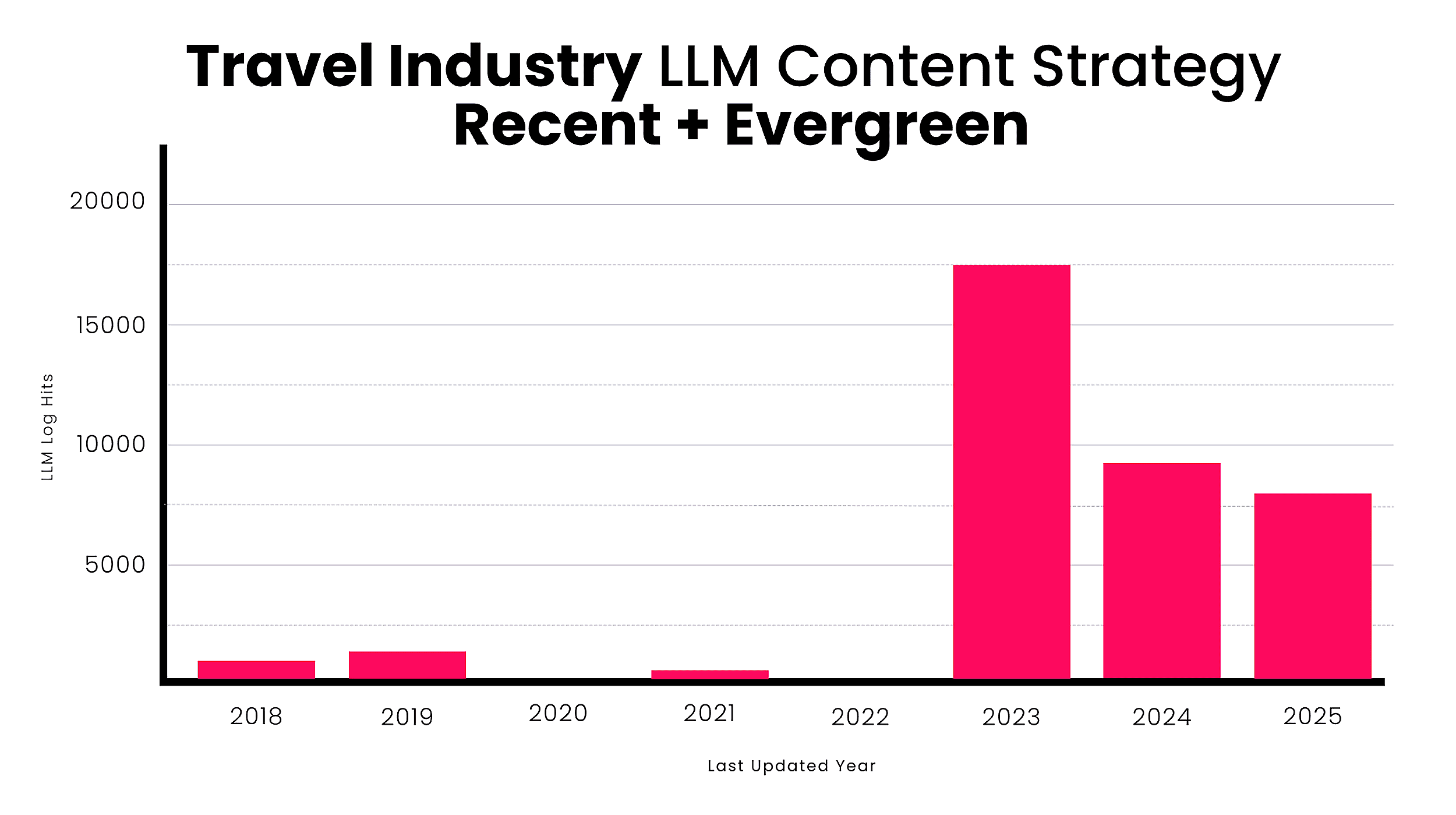
In travel, the window is broader.
Evergreen guides (“best destinations for weekend city breaks”) still perform, but regular updates help maintain visibility.
And in energy, for example, relevance often beats recency. Educational, evergreen pages (“green vs. renewable energy”) continue attracting AI hits years after publication.
Even instructional content in slow-moving niches can perform long after it’s published.
Seer found AI bots still visiting decking tutorials written 10–15 years ago — proof that quality evergreen content can still hold its ground.
Takeaway: Fresh content gets more bot activity. But credible, well-maintained evergreen pages still win trust. Especially when they’re the best answer for the human behind the query.
7. True Or False: Long-Form Content Is Pointless to Create Now
False.
Many marketers are making a simple mistake:
They hear “AI prefers short answers” and conclude “AI prefers short content.”
AI is more likely to use or cite content that is structured so it’s easy to understand.
But that’s not about length. That’s about structure.
What’s Actually Happening
AI systems don’t skip long pieces.
They skip messy pieces.
Content passages with clear headings helps models scan, interpret, and extract the right snippets.
There’s nothing to say your content needs to be short.
Example: Ask ChatGPT for “the best resources to learn SEO,” and you’ll often see Backlinko mentioned.
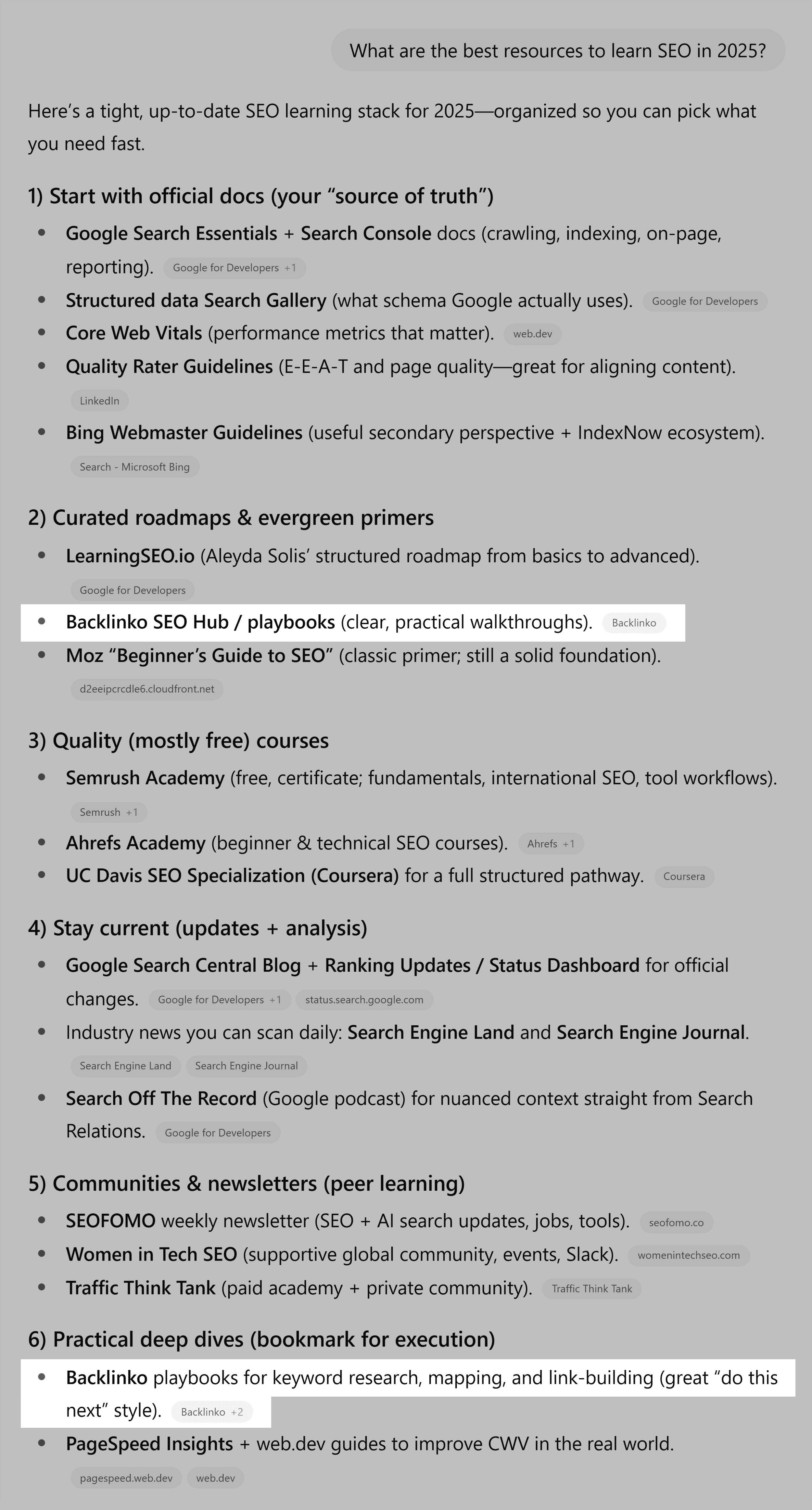
Those guides are deep, not brief.
They’re cited because they give a complete answer in a format both humans and models can follow.
Long-form content also compounds your odds of being mentioned.
AI visibility is a probability game.
The more your content earns human discussion, the more likely it is to appear when AI answers a question.
And humans don’t rave about shallow content.
People share and reference the pieces that teach them something new: frameworks, research, comparisons, stories.
Cutting them down for AI only strips out the context that makes your brand trustworthy.
Takeaway: Long-form isn’t outdated. It’s still a way to build authority, trust, and the kind of signal both readers and AI models rely on.
8. True or False: You Should Skip the ToFu Content Now
False.
This is one of the most persistent AI myths in content marketing.
“If AI answers everything, why bother with top-of-funnel (ToFu)?”
But ToFu content still matters. It just has a new job.
In the past, you could publish a big guide like “What Is SEO?” and watch it climb the rankings.
Those broad, educational posts drove traffic because people had to click through to learn.
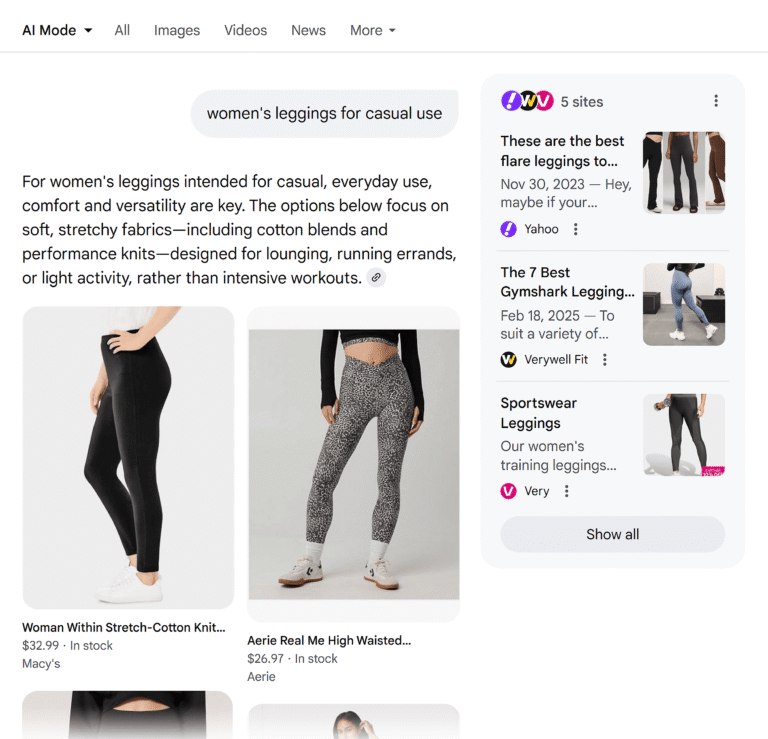
Now, AI Overviews and large language models answer those same questions right on the results page.

But that doesn’t mean top-of-funnel content is dead.
It just means it’s working differently.
What’s Actually Happening
ToFu content isn’t the traffic engine it once was.
But it still powers two things your marketing ecosystem depends on: awareness and authority.
ToFu Builds Awareness
ToFu content helps new audiences discover your brand, even if they don’t click.
When someone searches “What is the best time to send marketing emails?” and sees your brand name in a featured snippet or short summary, that’s still visibility.
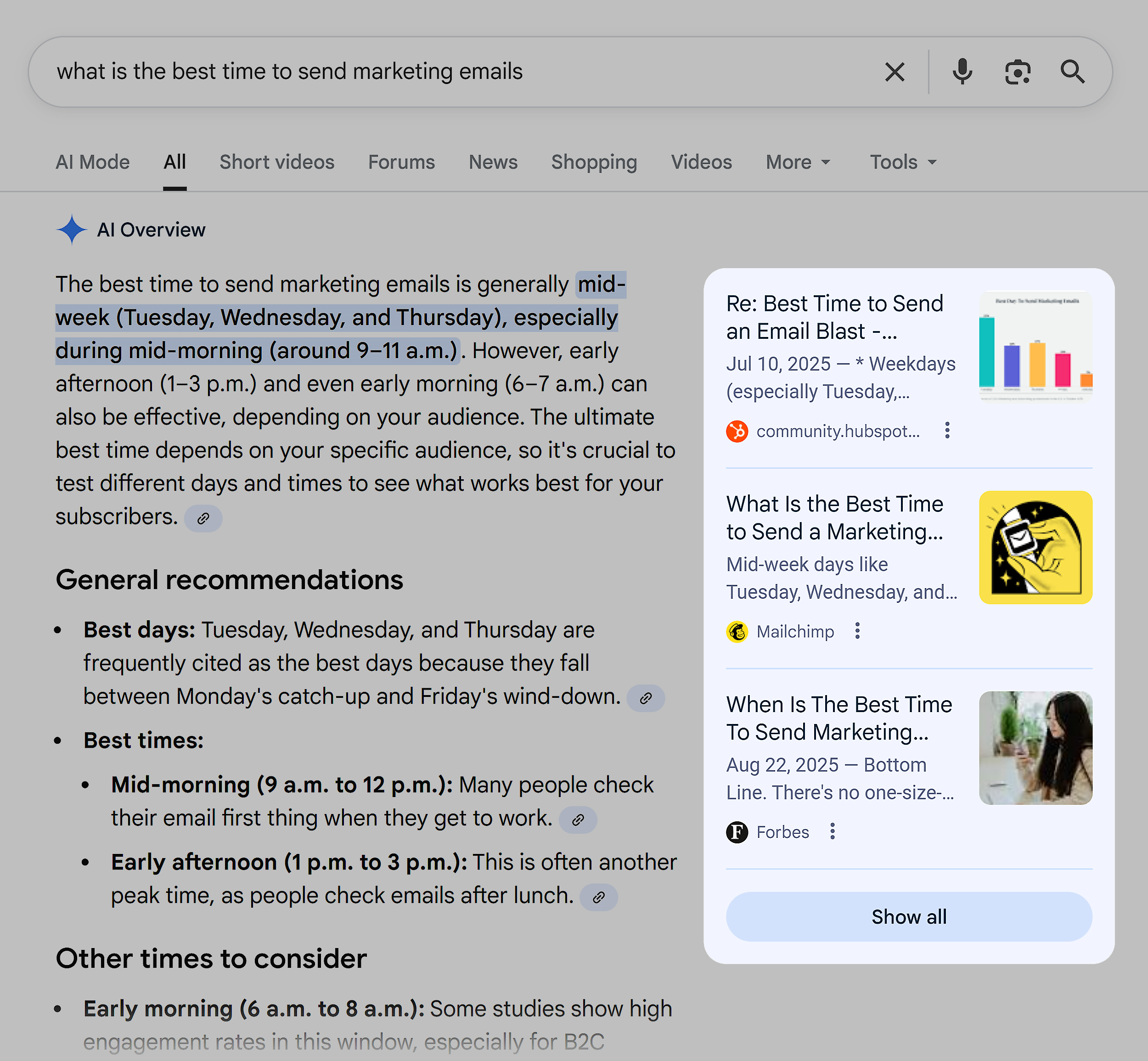
It’s like a digital billboard.
People might not visit your site right away, but they’ll start to recognize your name the next time they see it.
The more consistently your brand shows up around key industry topics, the more familiar it feels to your future buyers.
That awareness pays off later when they’re comparing vendors or deciding who to trust.
ToFu Earns Credibility
Google and AI systems both reward depth of coverage.
They look for brands that explain an entire topic — not just their own product.
A Search Engine Land analysis of 8,000 AI citations found that AI systems repeatedly pull from in-depth, trusted sources, not surface-level articles.
If your site only has bottom-of-funnel pages like “Why Choose [Your Product],” algorithms see a narrow view.
But when you also publish foundational explainers and educational content, it shows that your brand understands the full landscape.
That matters for AI visibility too.
Takeaway: ToFU content strengthens your overall site signals. Even if ToFu posts don’t drive conversions, they reinforce your brand’s expertise across the funnel.
9. True Or False: You Should Publish 10x More Content with AI
False.
In theory, more content should mean more visibility.
In practice, that’s not what’s happening.
Teams feel pressure to publish faster because AI makes production easier.
But volume isn’t the same as reach.
Most scaled AI content dies in search before it ever earns authority.
What’s Actually Happening
Graphite, an AI growth agency, found that AI-generated articles overtook human-written ones in late 2024.
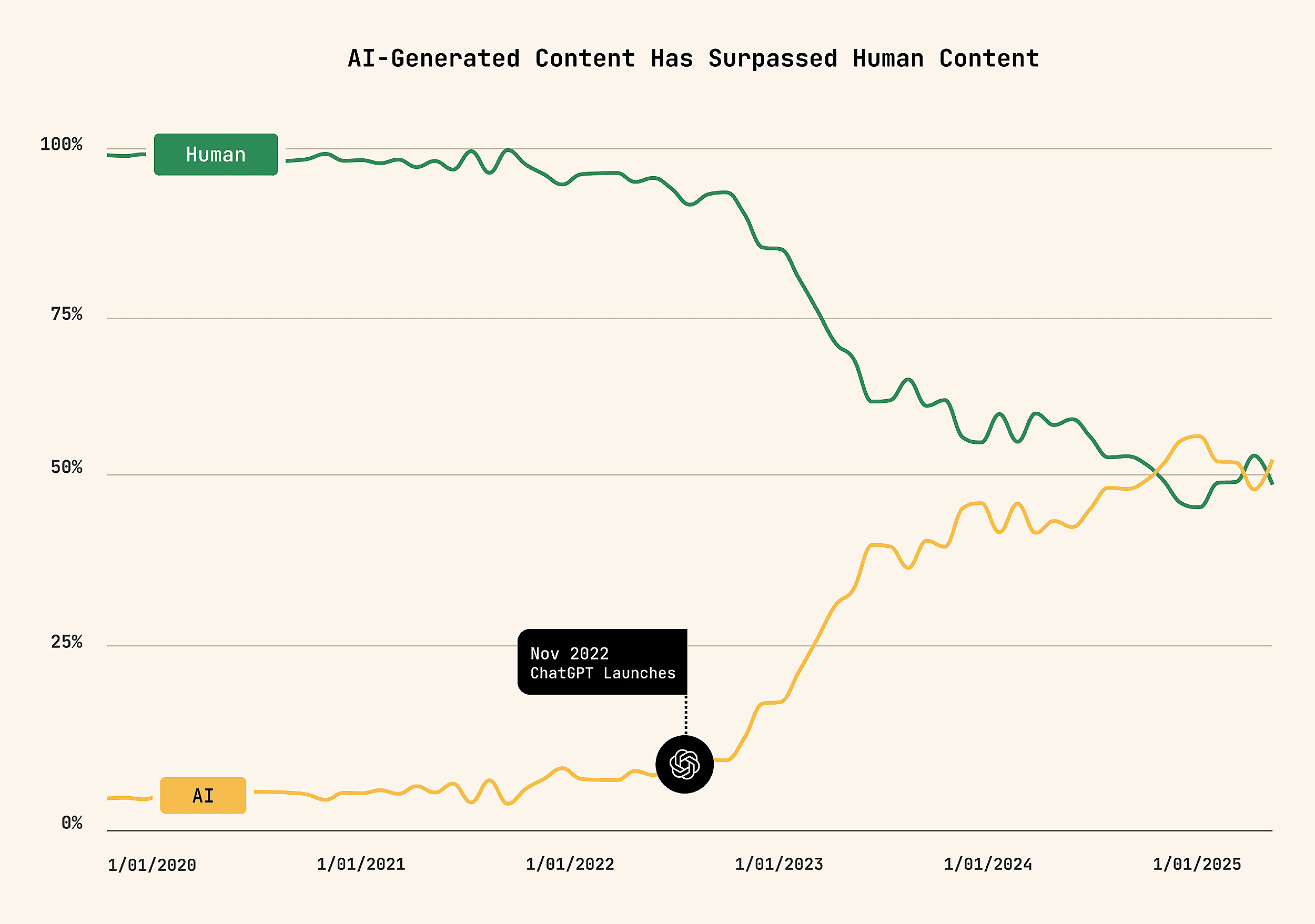
But growth has stalled since then.
Maybe because marketers have learned a simple truth:
Those posts rarely show up in Google results or AI citations, as Graphite’s research shows.
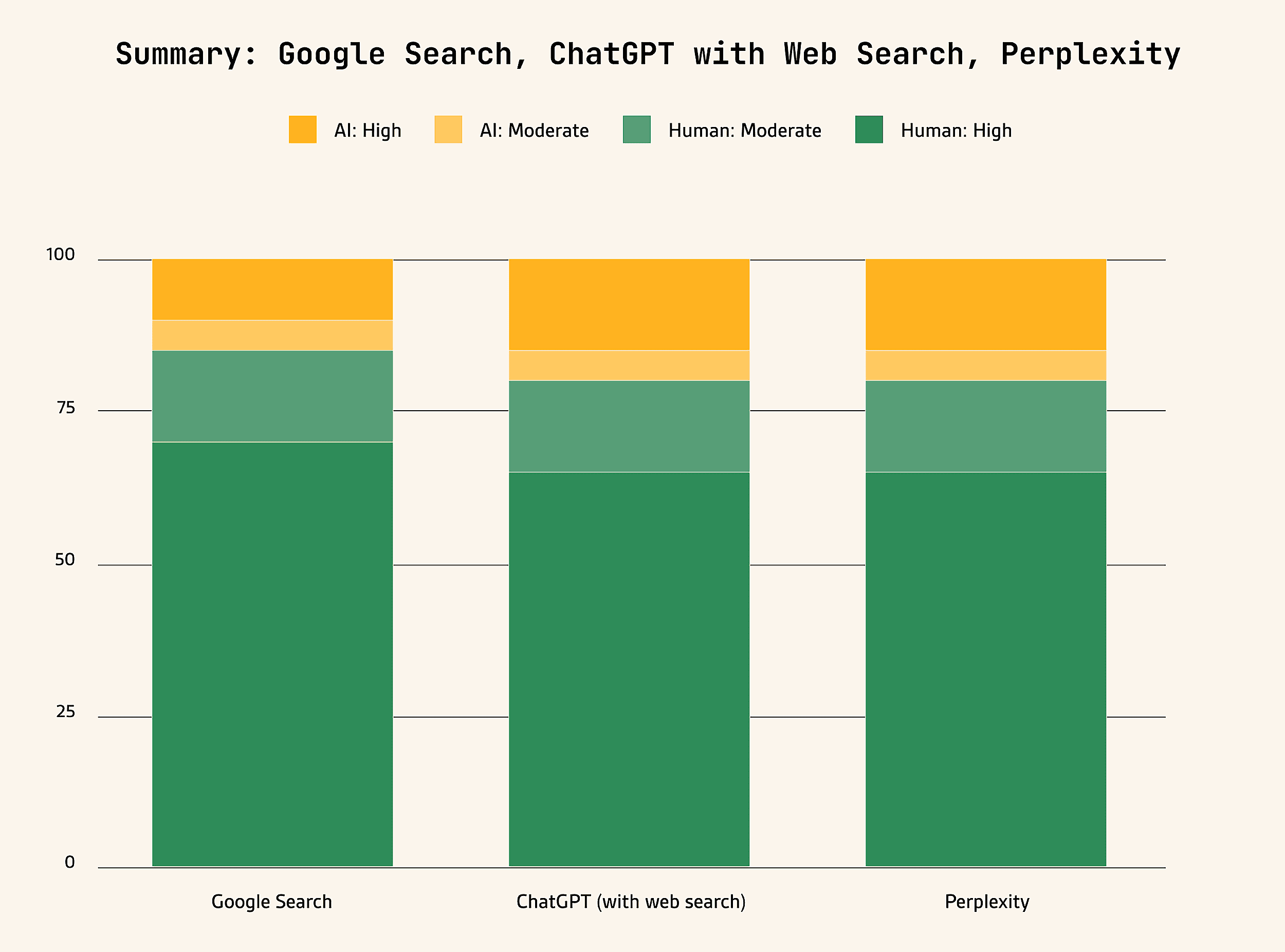
AI content may be faster and cheaper, but it’s not being seen.
Publishing in bulk can give a brief traffic lift.
More indexed pages mean more impressions — for a moment.
But that growth rarely lasts.
Google’s March 2024 Core and Spam Updates cracked down on scaled content.
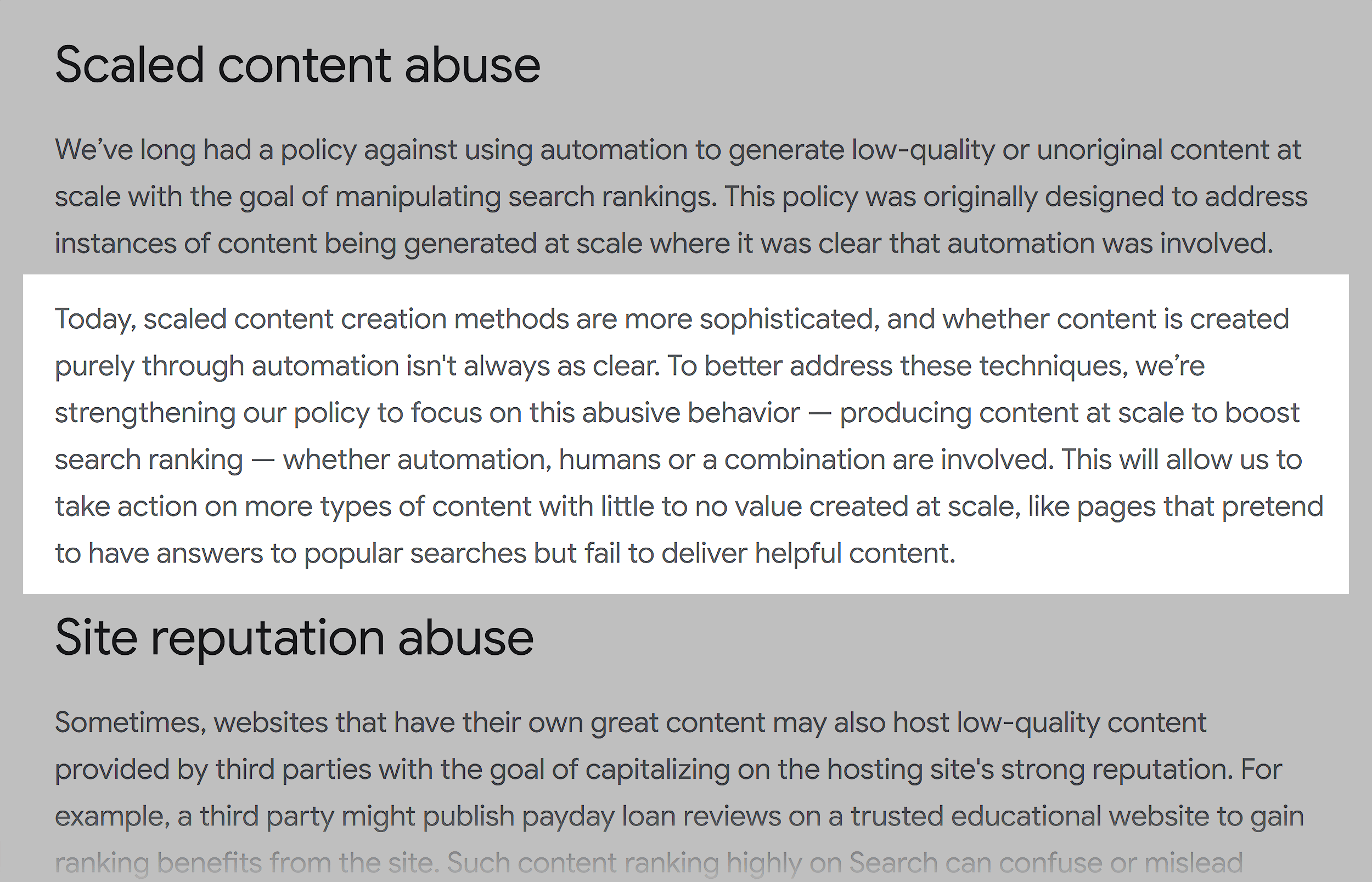
AI platforms seem to be taking the same approach. They reward original insight and authority, not sheer output.
Takeaway: If you want visibility in both Google and AI search, slow down and build credibility.
10. True or False: High-Quality Content Is All You Need to Appear in LLMs
It’s more complicated than that.
Many marketers assume that if they simply create great content, AI tools like ChatGPT, Perplexity, or Gemini will automatically surface it.
But “great” isn’t enough.
High-quality content is a requirement. It’s what gets your pages seen, crawled, and trusted in the first place.
But visibility in AI search depends on something bigger: how consistently your brand is referenced and recognized across the web.
What’s Actually Happening
LLMs generate responses using two data sources:
- Training data: The static dataset the model was trained on months (or years) ago
- The live web: Real-time crawling and retrieval from indexed pages, like Google AI Overviews or Perplexity
Each system rewards a different kind of visibility, and each treats “quality” in its own way.
Training-data systems reward brand association.
When a model relies on its training data, it draws on patterns it has already learned.
That includes which brands are consistently associated with which topics.
If your brand’s name and theme appear together across thousands of credible pages, that association becomes part of the model’s long-term memory.
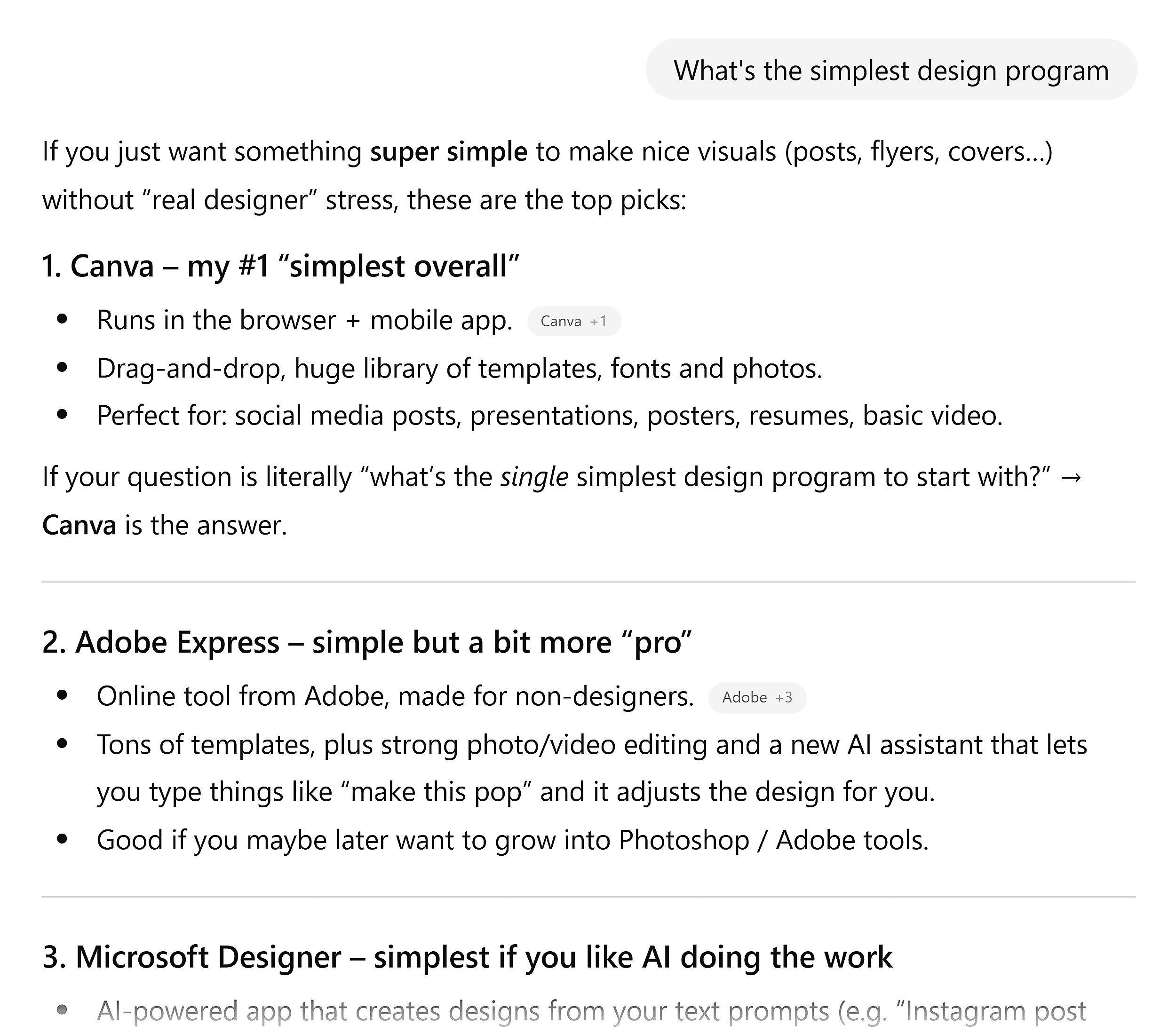
For example, Canva is strongly associated with “simple design.” So, if you ask ChatGPT “What is the simplest design program?” it’s probably going to answer Canva.
That’s how brands build “semantic ownership” of an idea.
Over time, those associations become the model’s defaults, a durable moat that competitors can’t easily displace.
Quality still matters here.
It determines whether people read, share, and cite your work — the human behaviors that create the signals AI later learns from.
Meanwhile, web-indexed systems reward structure and authority.
When an AI system relies on live web data, the process looks more like search.
Models retrieve pages in real time, parse structure, and extract concise, factual snippets.
In this environment, “quality” means clarity, structure, and credibility.
For example, if someone asks an AI tool “best CRM software for small business,” the model pulls from pages that look like strong search results.
In this case, that would probably be list posts with clear headings, comparison tables, and trustworthy sources.
A messy blog without structure or citations wouldn’t make the cut.
Takeaway: High-quality content is your ticket in, not your winning hand. Authority, structure, relevancy, and consistent brand signals are what actually get you cited in LLM answers.
How to Level Up Your SEO Strategy for AI Visibility
You’ve seen the myths. You understand the reality.
Now, here’s what to actually do about it.
The good news? You don’t need to blow up your entire SEO strategy.
Most of what you’re already doing still works.
You just need to expand where you’re looking and what you’re measuring.
Start Measuring What You Can’t See
Your analytics are lying to you by omission.
When someone discovers your brand through ChatGPT and visits you three days later, it shows up as direct traffic or a branded search. Zero attribution to the AI mention that started the journey.

So you’ll need to:
Track the indirect signals.
- Rising branded searches while organic clicks decline? That could be LLM discovery.
- Direct traffic holding steady despite fewer Google clicks? Same thing.
- Sales calls where prospects say “found you through AI”? You’re getting cited.
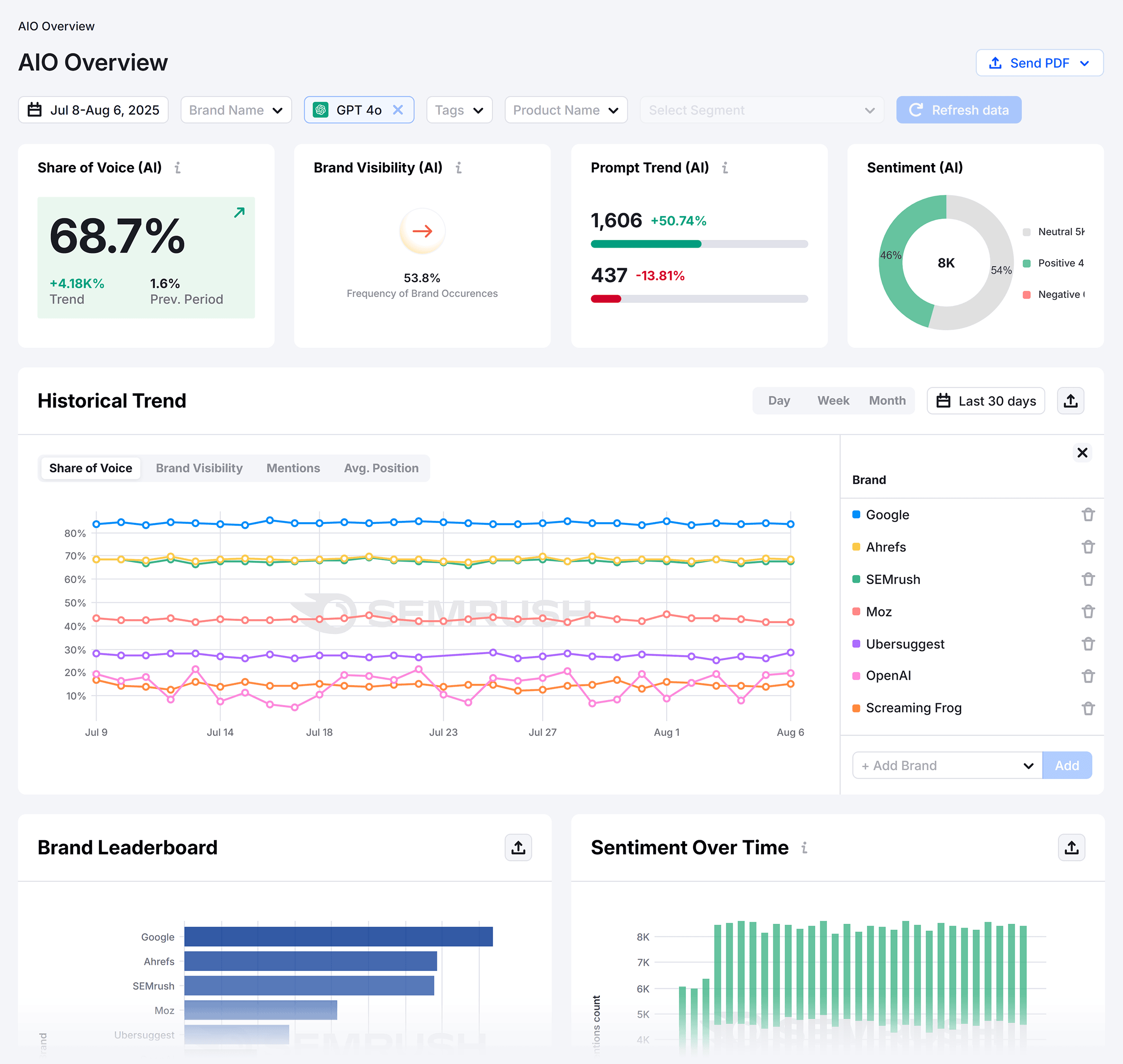
Use dedicated AI tracking tools.
Options include Peek.ai and ZipTie.Dev. For more comprehensive features, Semrush Enterprise AIO is a good option, especially if you need full-funnel visibility and advanced reporting.
Further reading: 5 LLM Visibility Tools to Track Your Brand in AI Search
Build Authority in Overlooked Spaces
Build authority in the long-tail spaces where AI systems are already mining for answers.
Pick one narrow topic and own it completely.
Not “email marketing” — think “email deliverability for SaaS companies sending 100K+ messages monthly.”
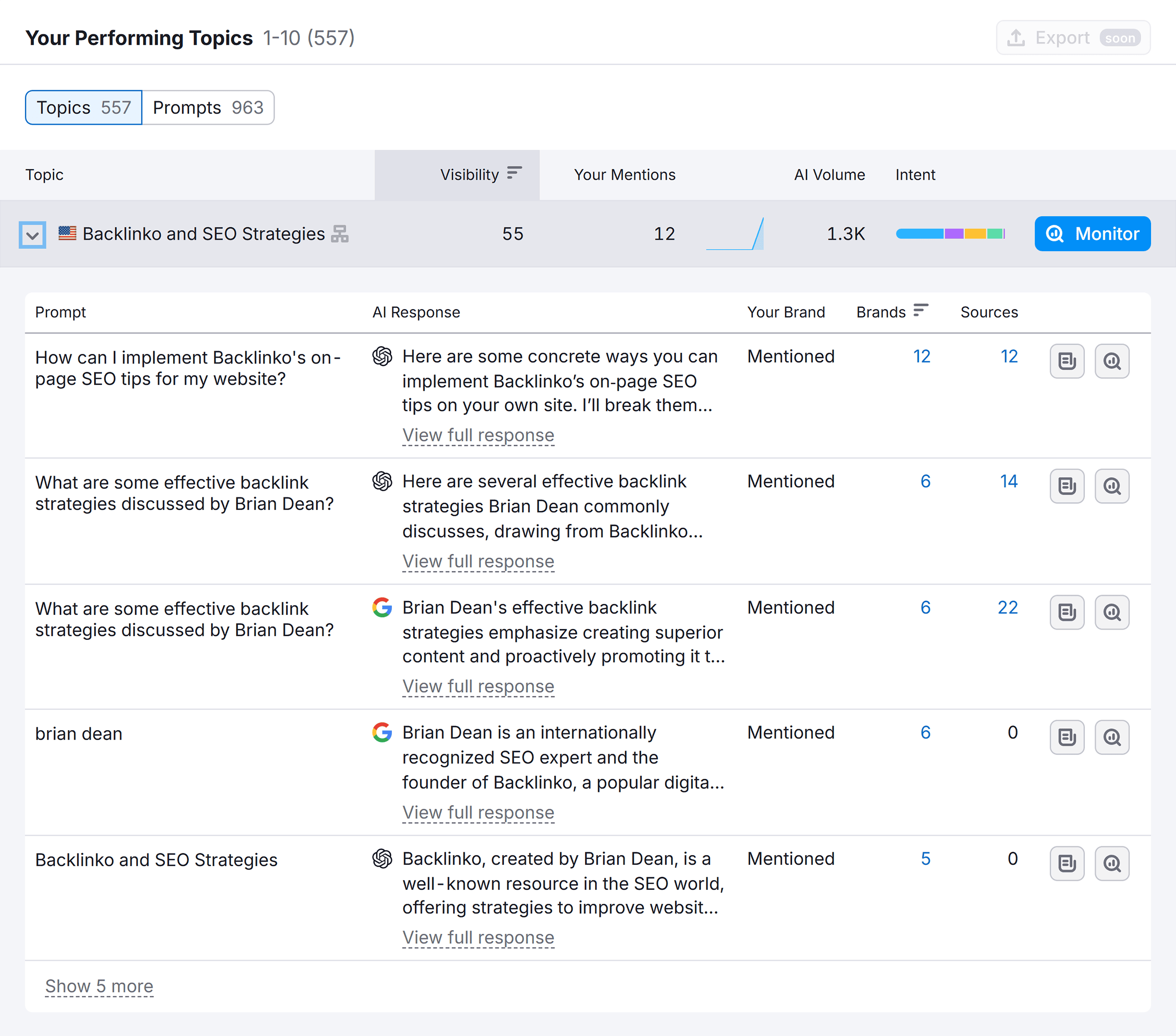
To understand the types of prompts your audience uses in LLMs, use the Semrush AI Visibility Toolkit.
It surfaces real prompts from a large database and organizes them by search intent.
Publish multiple angles: beginner guides, advanced tactics, case studies, and common mistakes.
When AI systems look for expertise on that specific topic, you want your brand to dominate the conversation.
Get Cited Where Your Competitors Already Are
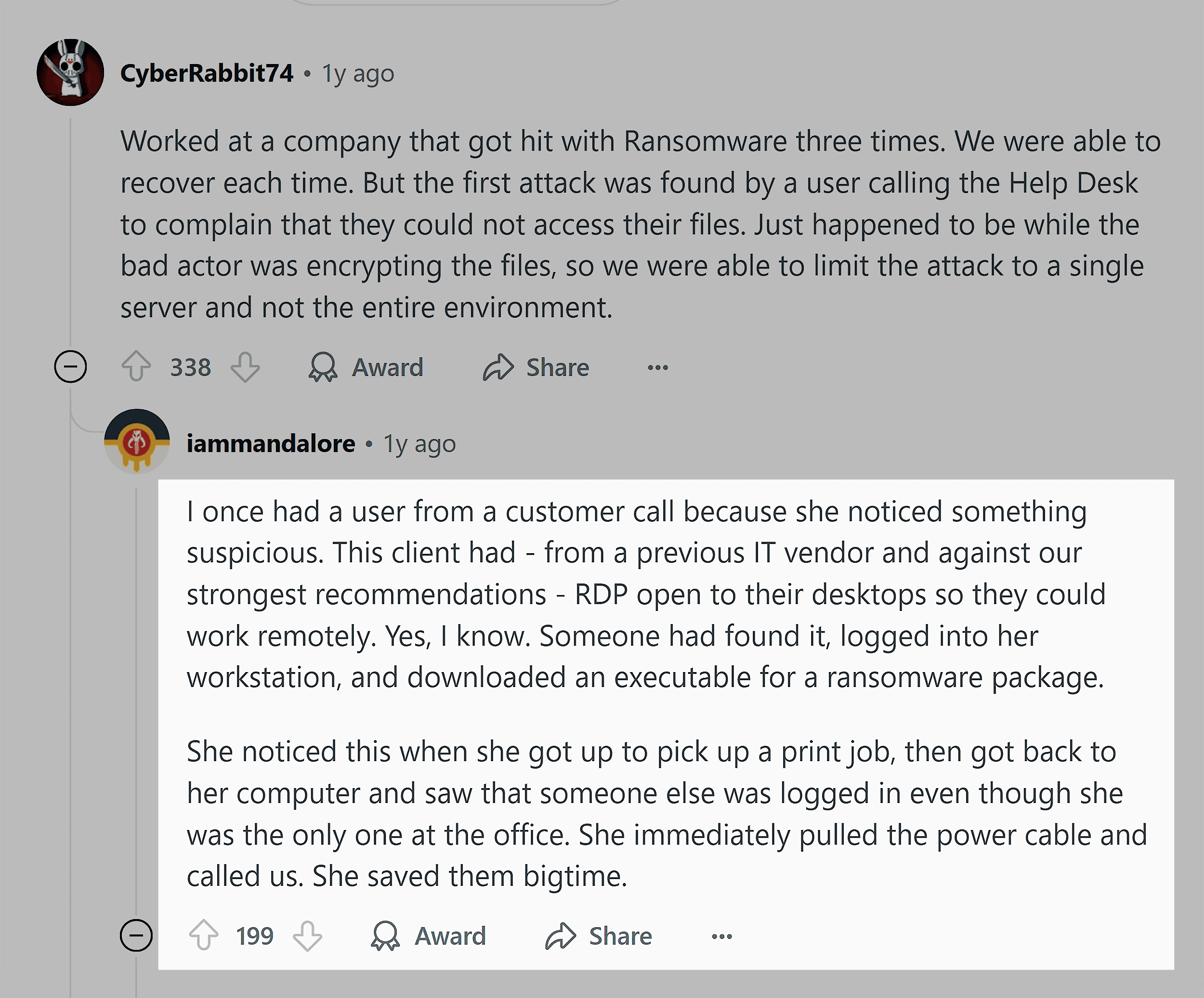
LLMs pull from expert clusters: groups of authorities that consistently appear together.
Here’s how to join that circle:
- Guest post strategically: Target sites that already cite your competitors in AI answers
- Participate in expert roundups: Even without a backlink, these mentions feed the associative web that LLMs learn from
- Show up in communities: A thoughtful Reddit comment or detailed LinkedIn post can carry citation weight
Create Content Worth Citing
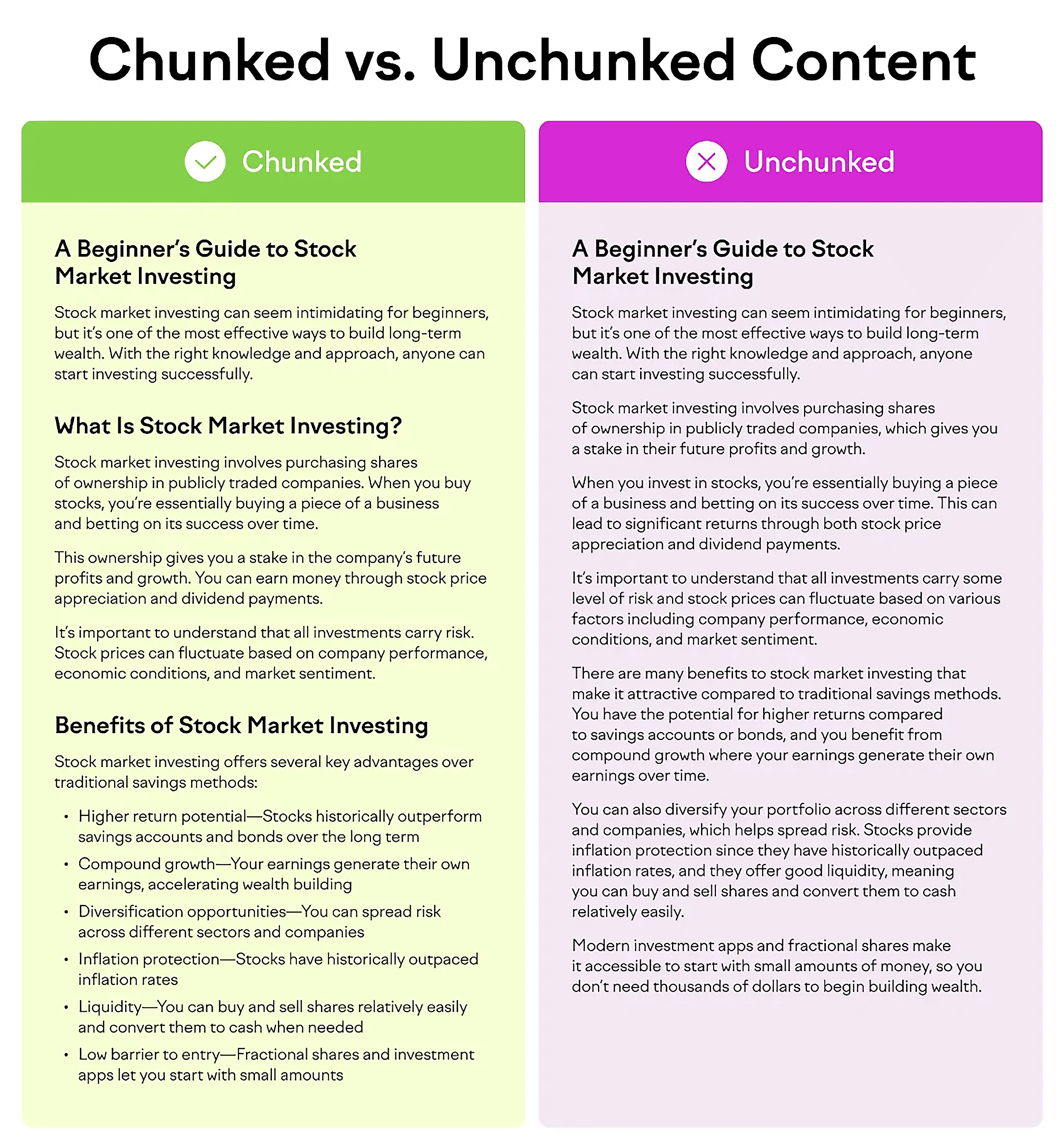
Be structured, not short.
Use clear headings that answer sub-questions directly.
Chunk each section so that it can stand alone.
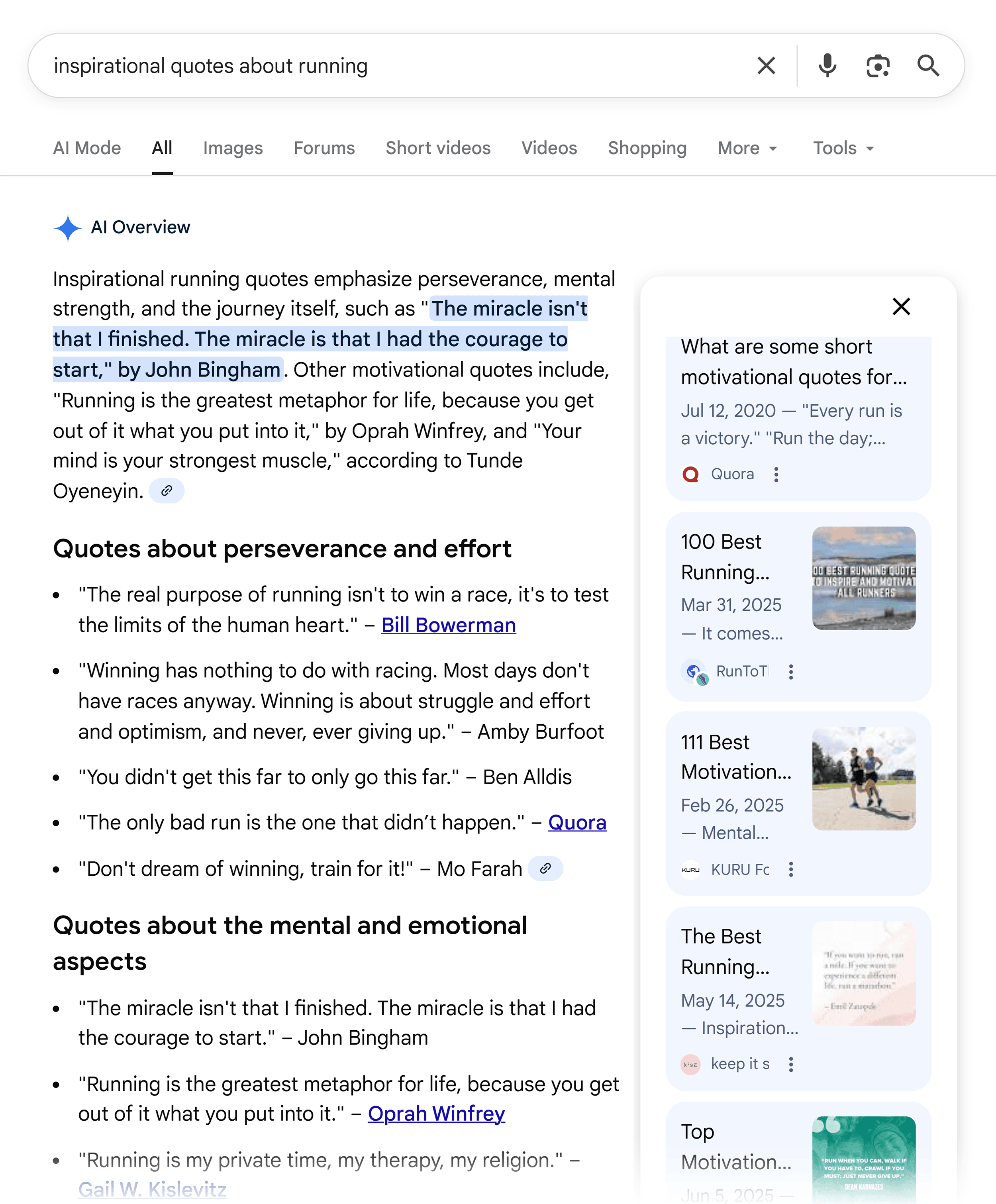
Maintain E-E-A-T signals. Experience, expertise, authoritativeness, and trustworthiness still matter, especially for Google’s AI tools.

But pair them with clearly scoped content that AI systems can easily read and reuse.
And keep it fresh. Update stats, examples, and screenshots regularly.
Get Your Teams Working Together
Getting cited in AI answers is a team sport.
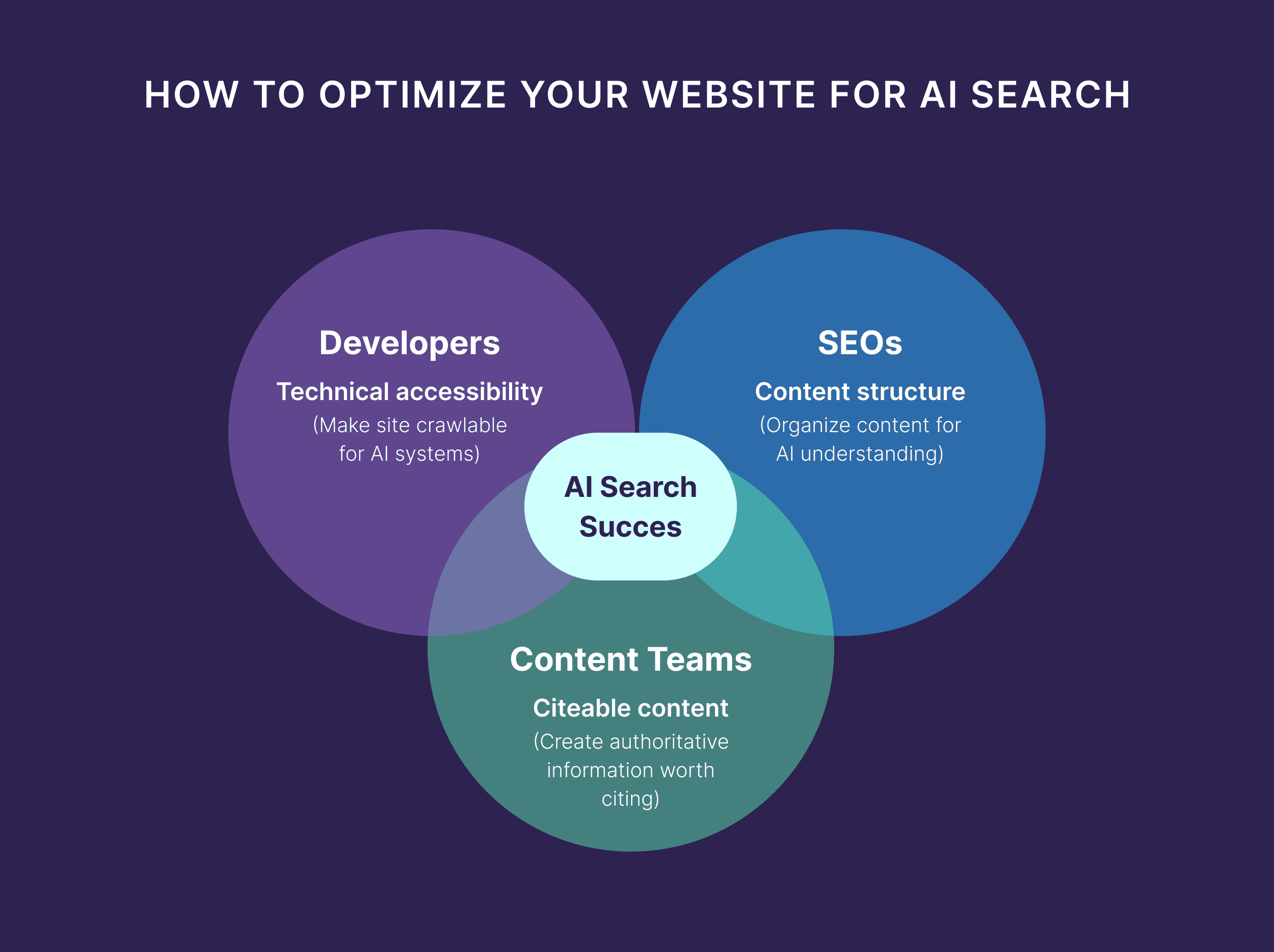
The foundation starts with three teams working in sync:
- Developers make your site technically accessible — clean crawlability, proper structured data, fresh metadata
- SEOs structure content so AI can extract it — clear heading hierarchies, scannable paragraphs, strategic schema markup
- Content teams create information worth extracting — genuine expertise, original insights, regular updates
Further reading: Check out AI Optimization: How to Rank in AI Search for more on cross-functional strategy.
Let Your Community Build Your Authority
When customers share your insights in Reddit threads or LinkedIn comments, they’re creating citation pathways that AI systems discover and value.
Create frameworks and original research people want to reference.
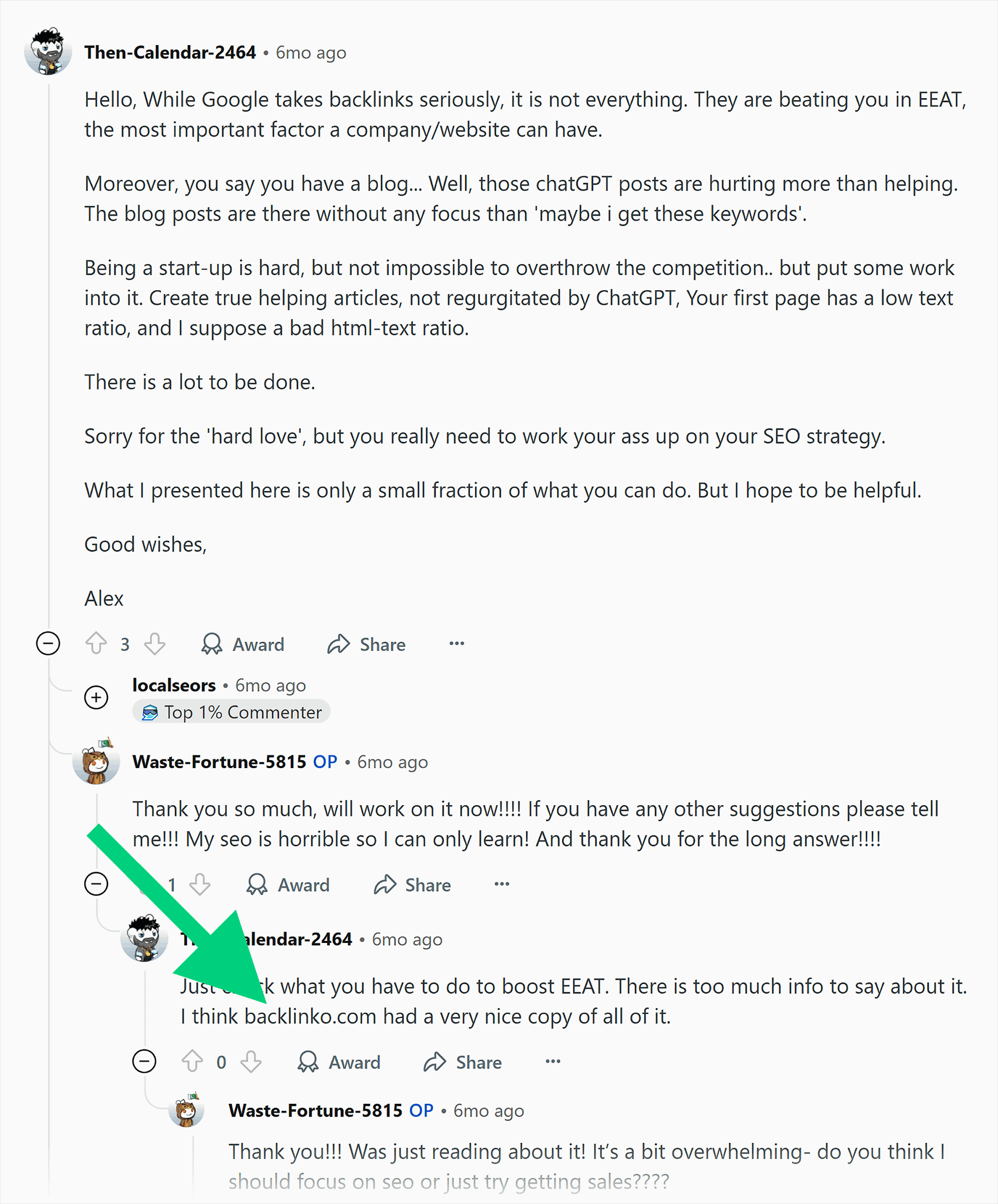
Show up where your audience hangs out.
Contribute genuine expertise in forums and communities.
Every thoughtful answer associates your brand with your core topics.
Don’t Abandon What’s Working
Organic search remains a primary traffic driver — about 44% of visits in the U.S. in Oct 2025, according to SE Ranking.
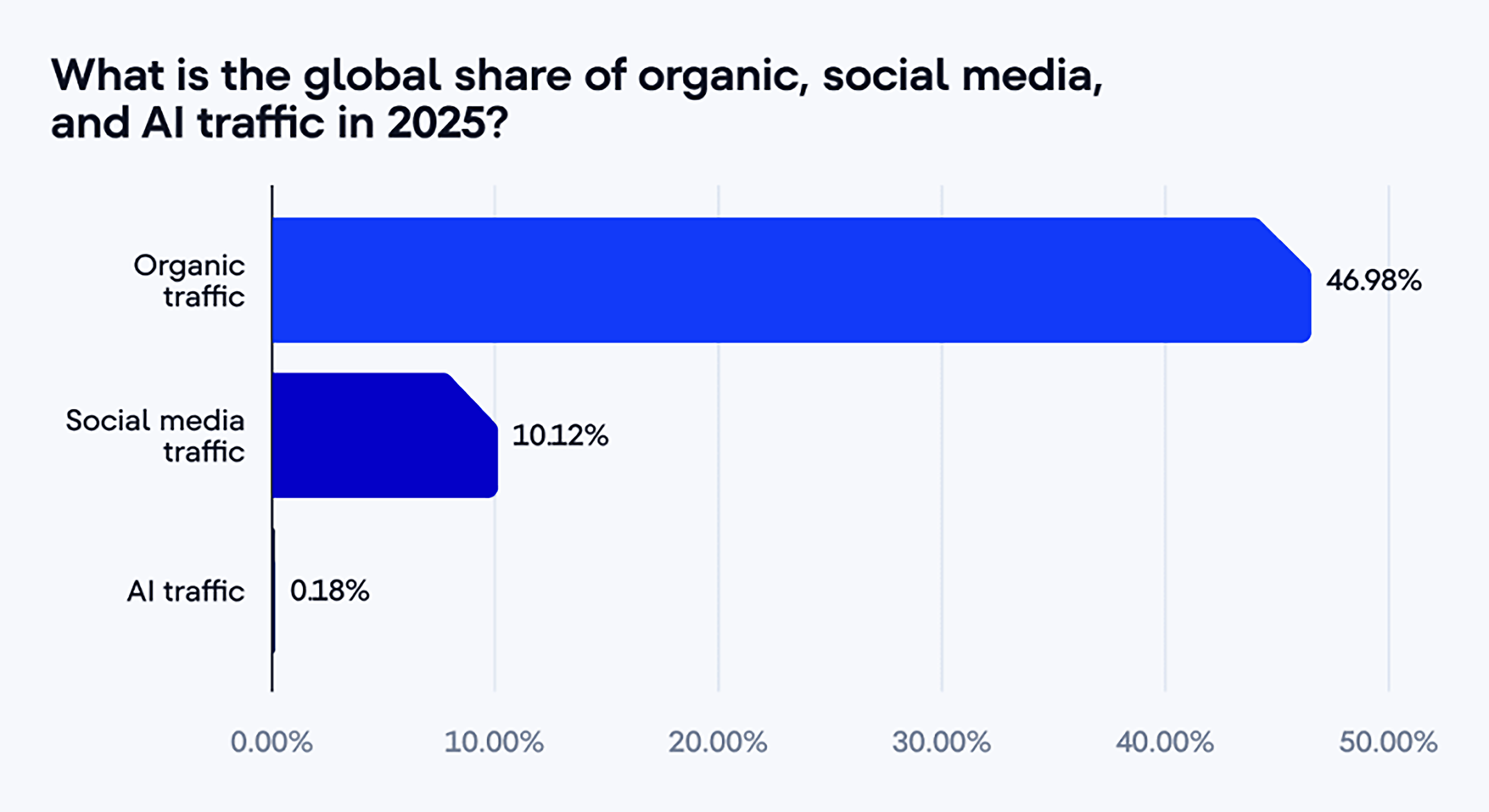
So it’s a good idea to keep up your best-practice on-page SEO habits.
Keep optimizing site structure. Fix technical issues. Build backlinks from credible domains.
Think of LLM optimization as an expansion strategy, not a replacement.
Focus on Influence, Not Just Traffic
Traditional SEO measurement focuses on clicks and conversions.
LLM visibility measurement focuses on influence created.
Track metrics that matter for long-term influence:
- Visibility score changes across different LLM models
- Branded search growth (the downstream effect of AI discovery)
- Market share shifts vs. competitors in AI answers
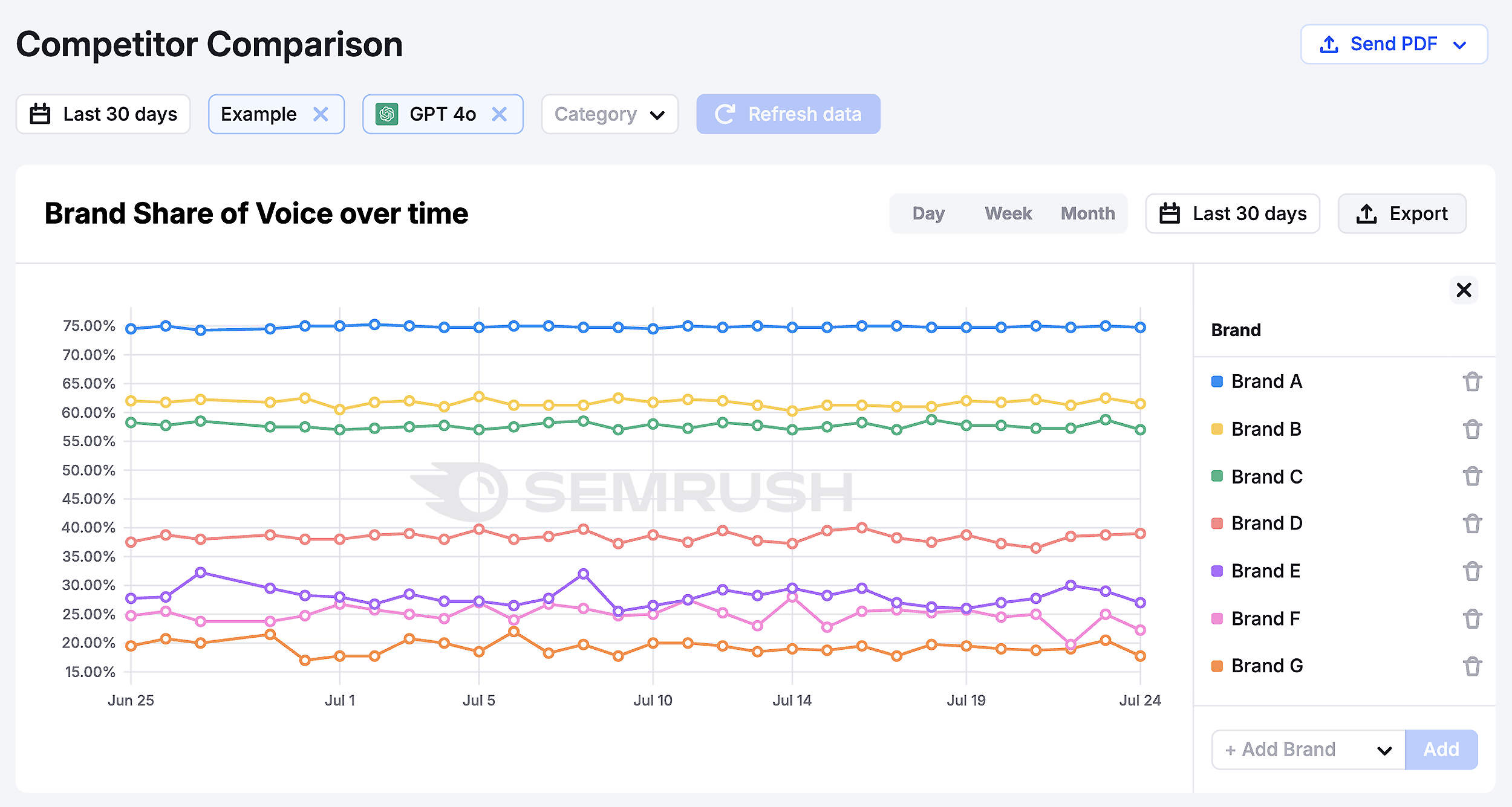
When you see visibility increases, correlate them with branded search spikes in Google Search Console (GSC) to estimate real business impact.
AI SEO: Trust Data Over Hype
LLMs are evolving fast. So are the rules that shape visibility.
That’s why myths about AI don’t hold up.
The truth is more nuanced.
So don’t chase every new “AI SEO hack.”
Follow marketers whose opinion you already trust.
Then test, track, and adapt based on what actually moves the needle for your brand.
Want to go deeper?
Check out our full AI Search Strategy Guide and learn how to get your brand both mentioned and cited.
The post AI SEO Myths, Debunked: A No-BS Guide For Marketers appeared first on Backlinko.